Why Best Time to Visit Kenya Matters
Not all Best Time to Visit Kenya choices work the same way. One example may have a long transfer or different inclusions; another may have the right activities but an uncomfortable schedule for your group.
You do not need specialist knowledge to compare the options. Start with the destinations, dates, logistics and inclusions explained below, then confirm any changing prices or restrictions before booking.
Best Time to Visit Kenya Planning Spectrum: From Ideas to Confirmation
Use this planning scale to move from your first ideas to details you can verify. It is not a rating of suppliers.
2. Compare suitable options
3. Check practical details
4. Prepare to enquire
This is a starting point. Your dates and priorities determine the right next step.
Quick Picks: What Are You Planning?
Choose the question closest to yours and jump directly to the relevant sections.
| Your situation | Quick picks |
|---|---|
| I am starting to plan | Choose an experience before a month · Understand broad seasonal patterns |
| I want to compare my choices | Match the coast and mountains to the plan · Dates, availability and quotations |
| I need practical details | Build a timing decision around constraints · Choose the season for the activity |
| I am ready to request a quote | Events do not follow the weather calendar · Turn the seasonal shortlist into a route |
Common Best Time to Visit Kenya Choices and What They Are Best For
The following topics preserve the existing article guidance, organized so you can compare the details more easily.
1. Choose an experience before a month
Start with the basics
Write down what matters most: wildlife viewing, a particular landscape, beach relaxation or a mountain trip. A wildlife-focused itinerary and a coastal holiday do not necessarily have the same ideal timing. If your dates are fixed, ask which route is best suited to those dates instead of trying to force a seasonal wish list.
Build in flexibility
Weather varies from year to year and from region to region. A seasonal description is a pattern, not a forecast. Check current conditions closer to travel and make sure your route has workable alternatives.
Best for: Travel timing Seasonal context Flexible plans

2. Understand broad seasonal patterns
Start with the basics
The Kenya Tourism Board’s seasonal guidance identifies December–March and July–October as popular periods associated with warmer or drier travel conditions. It highlights December–March for coastal sunshine. Use those broad windows to begin a conversation; they do not guarantee dry days or smooth roads in every location.
Compare trade-offs
Busy periods may bring stronger demand for preferred rooms and departures. A quieter period may suit travelers who value space and flexibility, but the practical route still needs to account for weather, access and operating arrangements. Ask for both the benefits and limitations of your proposed dates.
Best for: Travel timing Seasonal context Flexible plans
3. Plan wildlife viewing without guarantees
Start with the basics
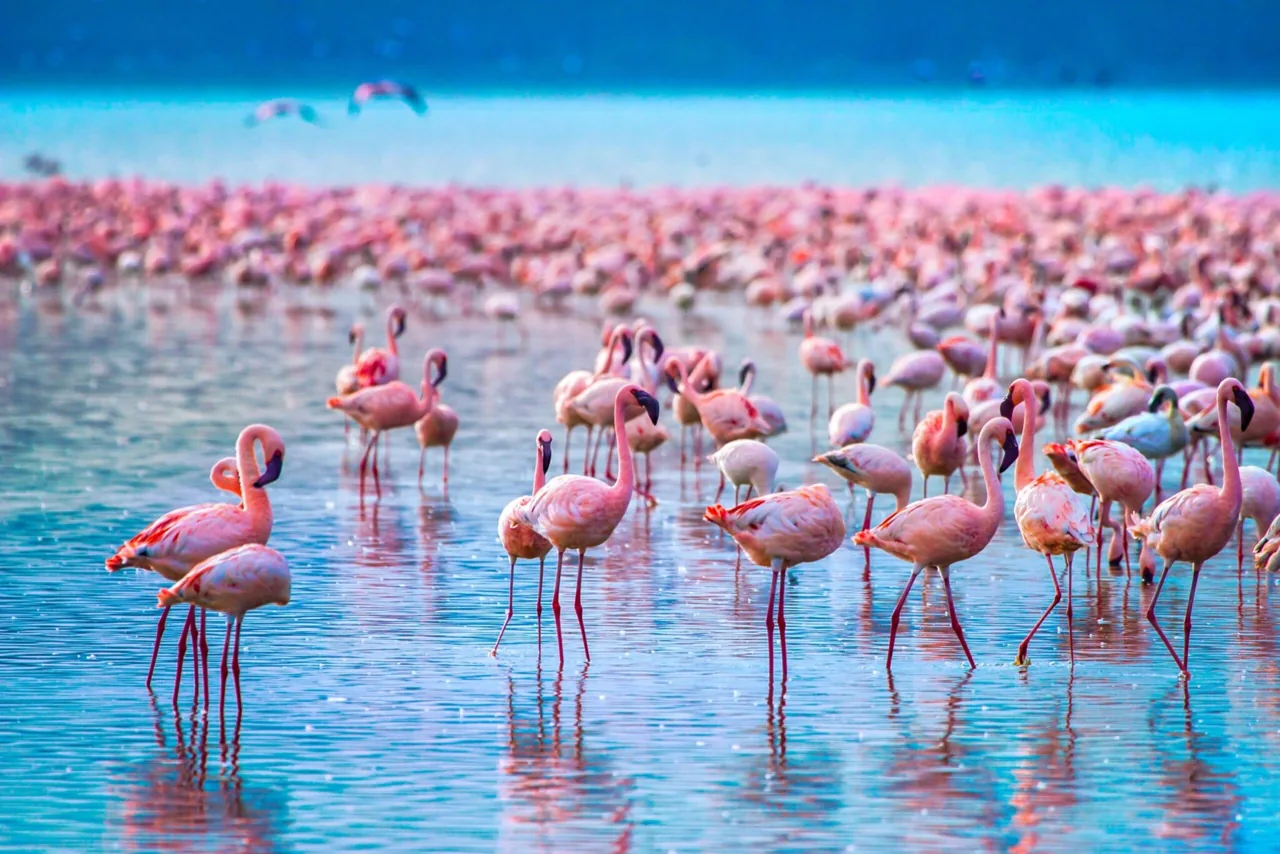
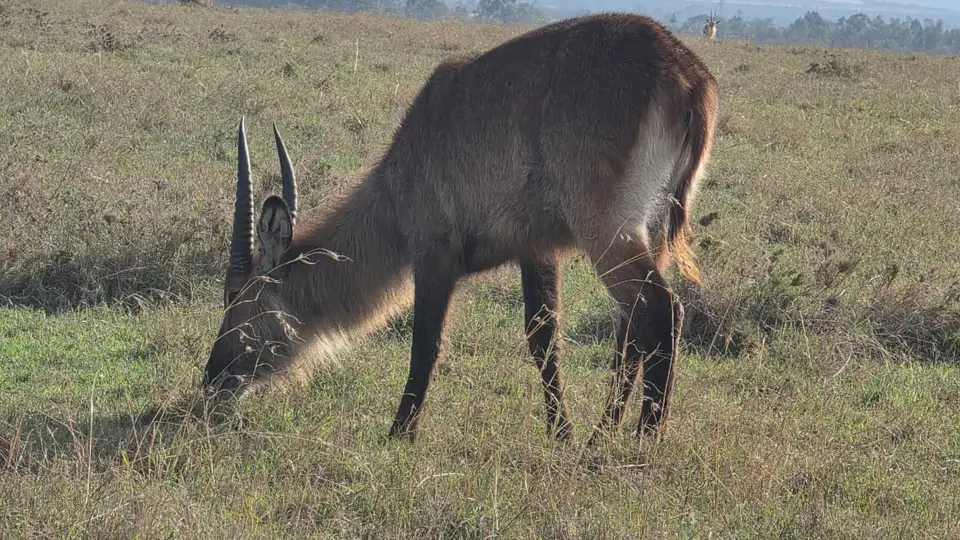
Masai Mara is associated with the Great Migration, but movements and river crossings cannot be scheduled to order. Allow several opportunities for game viewing rather than attaching the success of your holiday to one predicted event.
Look beyond a single sighting
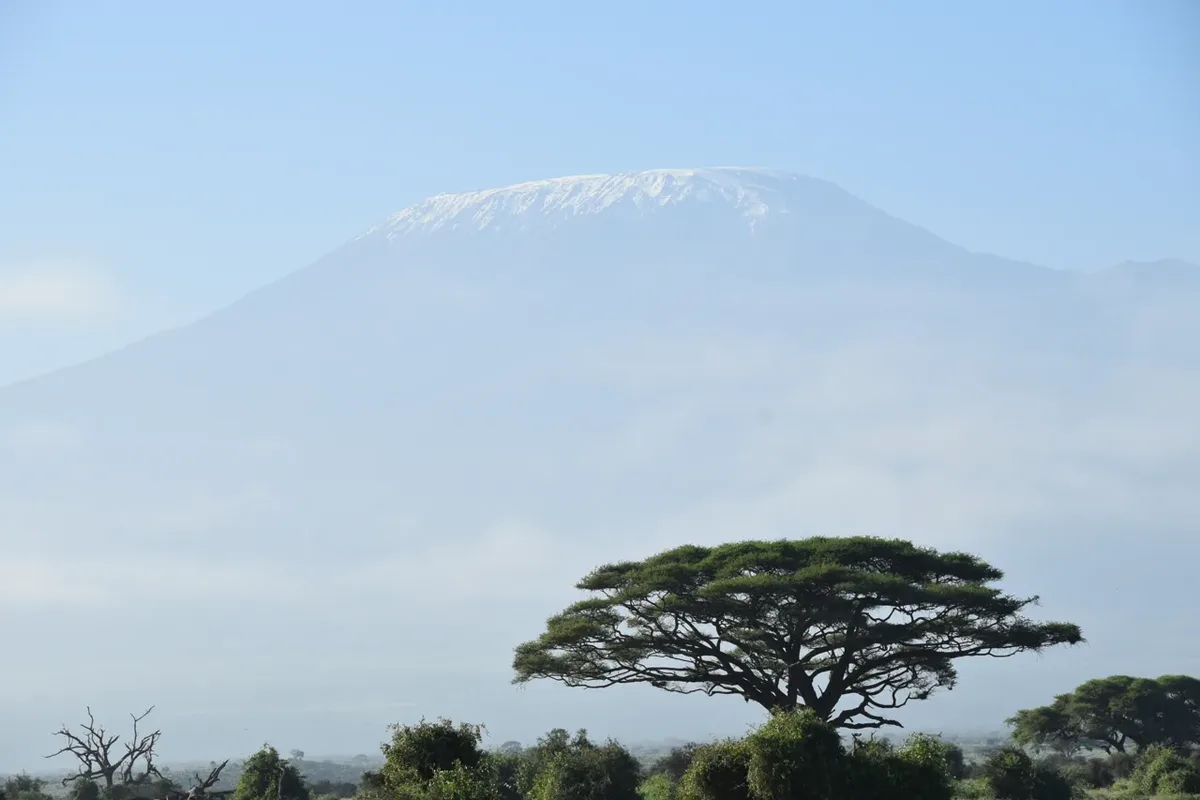
Discuss landscapes, birdlife and the daily pace you enjoy. A guide can help you appreciate the setting even when a particular animal is not found. Amboseli mountain views also depend on visibility; they are a possibility rather than a contractual promise.
Best for: Your priorities Practical comparisons Written confirmation
4. Match the coast and mountains to the plan
Compare suitable options
For Diani or Mombasa, ask about the expected conditions for swimming and any specific water activity. An excursion may depend on wind, sea state and the provider’s decision on the day. Keep some uncommitted beach time so a change of plan remains manageable.
Mountain trips need separate advice
For Mount Kenya, obtain route-specific guidance from a qualified mountain team. Ask about the proposed itinerary, preparation, equipment and current access. Broad safari-season advice is not enough to assess a mountain expedition.
Best for: Your priorities Practical comparisons Written confirmation
5. Dates, availability and quotations
Compare suitable options
If you can travel within a range, ask Brim to compare two or three date options with the same route and accommodation standard. Keep the comparison fair: a different room category or extra flight can change the quote more than the season itself.
Before you confirm
Check the cancellation terms, any weather-dependent activities and what happens if a supplier changes an arrangement. Review the cost considerations guide and share your priorities through Plan Your Safari.
Best for: Travel timing Seasonal context Flexible plans
6. Sources and current checks
Compare suitable options
Kenya Tourism Board: When to Visit supplies broad seasonal context; KTB: Maasai Mara describes destination interests. Source review: 24 October 2026. These references do not provide a live forecast. Reconfirm local conditions for your actual travel dates.
Best for: Your priorities Practical comparisons Written confirmation
7. Build a timing decision around constraints
Check practical details
Separate fixed dates from flexible preferences. A family may be tied to school holidays, while photographers may have flexibility but a specific wildlife interest. Explain both to the planner. The useful response is a route and pace that fit those constraints, not a single best-month answer applied to every destination.
Compare wildlife areas, coast time and any mountain activity independently before joining them. Conditions that suit one activity do not establish suitability for another. If a proposed combination depends on a tightly timed connection or a specialist activity, confirm that component before booking every overnight stay around it.
Ask what remains uncertain
Animal movement, weather, road conditions and room availability are not guaranteed by a seasonal guide. Request a sensible alternative if the preferred activity cannot proceed. A flexible optional outing is different from a nonrefundable event reservation. Keep those distinctions in the quotation so the seasonal explanation supports a practical choice.
For a Mara-focused question, use the timing and transport sections in the existing Mara guide. For fixed-date travel, compare the itinerary frameworks and share priorities through Brim’s inquiry page. No migration date, sighting or future weather condition is promised by these planning notes.
Best for: Your priorities Practical comparisons Written confirmation

8. Choose the season for the activity
Check practical details
| Priority | Useful comparison | Important trade-off |
|---|---|---|
| Safari and coast | Compare January, February and a dry-season safari with a coast finish. | Rain and marine conditions differ from inland wildlife areas. |
| Mara migration interest | Compare July through October with recent herd advice. | The northern migration window is variable; crossings cannot be reserved. |
| Mount Kenya | Compare January and February and obtain route-specific advice. | A favourable season does not remove altitude, cold or access considerations. |
| Fixed April–May dates | Use a comfortable operating base and fewer transfers. | Long rains can affect roads, treks and beach plans. |
| Corporate retreat | Choose the actual venue and a weather contingency around your event dates. | Indoor space and specialist services require confirmation. |
Best for: Travel timing Seasonal context Flexible plans
9. Events do not follow the weather calendar
Prepare to enquire
The monthly guides label published event dates by year and distinguish recurring festivals from unconfirmed fixtures. Choose an event-led trip around official access and admission, then add a safari only if the nights and transfers fit. School holidays also depend on the traveller’s own calendar.
Best for: Travel timing Seasonal context Flexible plans

10. Turn the seasonal shortlist into a route
Prepare to enquire
For wildlife and coast, use the dedicated Kenya safari and beach holidays page. If you have only a few nights, compare short Kenya safaris before adding another transfer. A seasonal shortlist is most useful when it leads to a realistic number of bases.
Best for: Travel timing Seasonal context Flexible plans
Four Booking Tips for Best Time to Visit Kenya
When planning Best Time to Visit Kenya, check four practical things:
- Match the dates. Ask what is suitable for your real travel window.
- Read the daily schedule. Look at transfers, rest and activity time.
- Check every inclusion. Confirm accommodation, fees, transport and optional services in writing.
- Review current conditions. Ordinary changes in weather or wildlife movements are possible; confirm official guidance and supplier terms.
Preparing for Best Time to Visit Kenya and What to Check
Before travelling, write down three priorities so the route and services can be planned around your group. Keep all names, dates and inclusions together in the paperwork you share with the other travellers or event organizer.
Worth knowing: a sample plan is not a confirmed booking. Review two documents before you pay: the written itinerary and the itemized quotation. If they disagree, request a corrected version.
3
Priorities to specify before planning
2
Documents to compare before booking
Plan Best Time to Visit Kenya with Brim Adventures
Brim Adventures helps travellers and groups plan around their dates, priorities and the practical details of each journey. Compare options here, then request a written itinerary with confirmed arrangements.
Explore more planning guides or request a personal quotation before deciding.
Official sources and verification
- KMD: month-specific climate context and forecasts
- Mountain Club of Kenya: historical seasonal context; verify current conditions
Sources checked 4 November 2026. Source publication dates and tariff effective dates are identified in the text. Recheck changing information before payment or travel.
Frequently asked questions
Can you promise migration crossings?
No. Wildlife movements and crossings depend on natural conditions.
Is a wetter period always unsuitable?
No. Ask about the exact route, recent conditions and operating arrangements rather than relying on a country-wide label.
Does the coast follow the same pattern as safari areas?
Not necessarily. Assess each part of the holiday separately.
Plan your Kenya journey
Share your dates, traveler numbers, interests and preferred pace. Request a written itinerary and quote with confirmed availability and inclusions.
Request a Quote WhatsApp Brim