Why Rwanda vs Uganda Gorilla Trekking Matters
Not all Rwanda vs Uganda Gorilla Trekking choices work the same way. One example may have a long transfer or different inclusions; another may have the right activities but an uncomfortable schedule for your group.
You do not need specialist knowledge to compare the options. Start with the destinations, dates, logistics and inclusions explained below, then confirm any changing prices or restrictions before booking.
Rwanda vs Uganda Gorilla Trekking Planning Spectrum: From Ideas to Confirmation
Use this planning scale to move from your first ideas to details you can verify. It is not a rating of suppliers.
1. Start with the basics
2. Compare suitable options
3. Check practical details
4. Prepare to enquire
This is a starting point. Your dates and priorities determine the right next step.
Quick Picks: What Are You Planning?
Choose the question closest to yours and jump directly to the relevant sections.
| Your situation | Quick picks |
|---|---|
| I am starting to plan | Name the park first · Permits and accommodation are separate |
| I want to compare my choices | Time on the ground matters · Walking expectations and personal needs |
| I need practical details | Luxury accommodation and the practical base · Seasonal planning without certainty |
| I am ready to request a quote | Combine with a wider East Africa journey · Additional planning considerations |
Common Rwanda vs Uganda Gorilla Trekking Choices and What They Are Best For
The following topics preserve the existing article guidance, organized so you can compare the details more easily.
1. Name the park first
Start with the basics
Rwanda’s gorilla-focused planning centres on Volcanoes National Park. Uganda Wildlife Authority identifies Bwindi Impenetrable National Park and Mgahinga Gorilla National Park as Uganda’s tracking destinations. These are separate choices with separate permit and accommodation arrangements.
Ask the proposal to identify the intended park explicitly. A generic gorilla extension description is not enough to select a lodge or confirm access. If the country changes during planning, review all affected components rather than treating it as a simple hotel substitution.
Best for: Your priorities Practical comparisons Written confirmation
2. Permits and accommodation are separate
Start with the basics
A lodge enquiry does not establish a confirmed tracking permit. Request written confirmation of the product, date and visitor details through the relevant official booking arrangements. Check current requirements before paying, particularly where eligibility or supporting documents matter.
Ask what is secured and what remains on request. A quotation can describe a proposed experience without holding its permit. Review the permit’s conditions separately from those of the accommodation and transport, and do not assume one supplier’s cancellation terms govern the entire journey.
Best for: Your priorities Practical comparisons Written confirmation
3. Compare the whole access route
Start with the basics
Consider your international arrival point, regional connections and the transfer to the actual trekking area. Do not assume an advertised country-level gateway is immediately beside the lodge. Request overnight locations and transport modes for every stage.
For Bwindi, the intended sector should be coordinated with the accommodation. Uganda Wildlife Authority identifies several distinct sectors; selecting a property without reference to the permit area can create a poor practical match. For Rwanda, coordinate Kigali arrival, the Volcanoes-area stay and the return sequence with the confirmed schedule.
Best for: Your priorities Practical comparisons Written confirmation
4. Time on the ground matters
Compare suitable options
A compact Rwanda concept and a longer Uganda extension should not be compared only by their final price. Look at the nights included, transfer effort and space around the trekking day. A cheaper component can sit inside a more complicated overall route.
Keep the trekking day flexible and avoid a tightly timed onward flight afterwards. Allow preparation and recovery time. If the transport schedule needs an extra staging night, include it openly rather than assuming the wildlife experience can be made to fit any departure.
Best for: Travel timing Seasonal context Flexible plans
5. Walking expectations and personal needs
Compare suitable options
The forest outing is a physical activity with variable conditions. Do not select a country using a promise of an easy group, short walk or guaranteed dry trail. Tell the planner about relevant constraints and ask what practical support can be arranged.
A luxurious room does not change the terrain. Seek appropriate personal health advice separately and follow the park briefing. Plan clothing and equipment for the actual outing, while keeping the rest of the holiday’s luggage and transport restrictions in mind.
Best for: Your priorities Practical comparisons Written confirmation
6. Families and non-trekkers
Compare suitable options
Rwanda Development Board currently sets a minimum tracking age of 15. Check the current rules for the actual product and country before planning a family itinerary. A lodge’s willingness to accommodate a child does not establish eligibility for the park experience.
If some travellers will not trek, arrange an appropriate separate programme and any required supervision in advance. Consider whether the transfers and nights serve the whole group. A specialist extension should not be added automatically when only one traveller wants it and the others have no suitable plan.
Best for: Your priorities Practical comparisons Written confirmation
7. Luxury accommodation and the practical base
Check practical details
For Rwanda, One&Only Gorilla’s Nest and Singita Kwitonda Lodge are proposed premium options in the Volcanoes area. Their inclusion is not a claim of Brim partnership, held rooms or permit availability. Compare the room, meals, transfer and recovery-time arrangements.
For Uganda, choose the intended park and sector before shortlisting accommodation. Ask for practical details such as early meals, access to the required meeting point and drying wet clothing. A useful base is one that fits the actual experience, rather than simply the most recognisable name.
Best for: Your priorities Practical comparisons Written confirmation
8. Seasonal planning without certainty
Check practical details
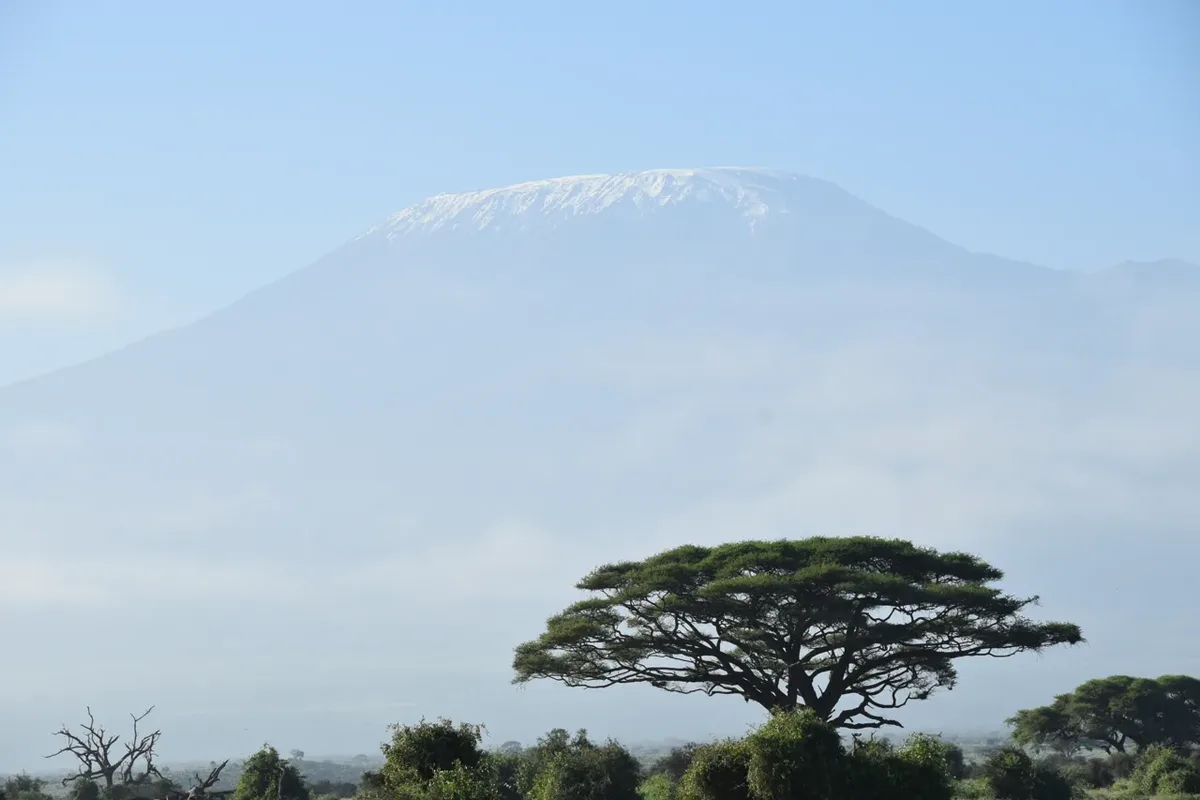
Use Travel by Month to compare the forest stage with the rest of your safari. Regional seasonal patterns can guide timing, but neither country offers a guarantee of dry trails or an encounter that matches another traveller’s photographs.
If dates are flexible, ask what alternative windows would change in the entire route. If the dates are fixed, plan the preparation and expectations accordingly. Do not sacrifice sensible time margins simply to attach a trek to an already crowded itinerary.
Best for: Travel timing Seasonal context Flexible plans
9. Combine with a wider East Africa journey
Prepare to enquire
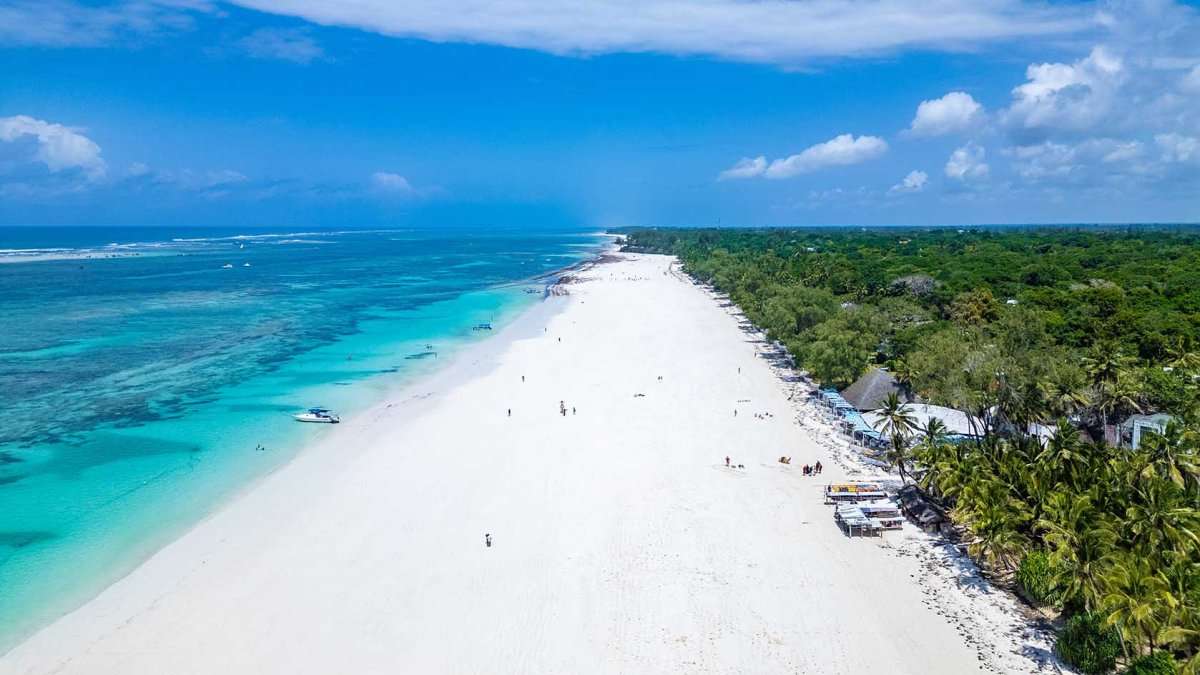
The East Africa hub uses Kenya, Tanzania and Uganda as its core three-country planning focus, with Rwanda optional. Choose the gorilla country through the actual connections and your available nights. A fourth country should have a clear purpose.
Including both Rwanda and Uganda can make sense for a deliberate wider interest, but it should not happen by accident through duplicate descriptions. Request a separately explained route and enough time for each stage. Confirm flights, entry arrangements and supplier responsibilities before purchasing non-refundable components.
Best for: Your priorities Practical comparisons Written confirmation
10. Additional planning considerations
Prepare to enquire
Make the final comparison
Compare two proposals using park, permit status, nights, room category, transfer mode, inclusions and cancellation terms. Ask what happens if a flight changes or the preferred permit is unavailable. Do not judge the journey through an isolated headline price.
Send your preferred month, total nights, group composition and any fixed flights. Explain whether comfort, fewer transfers, a particular park or a wider safari combination matters most. Brim’s enquiry records those preferences; it does not reserve a permit, guarantee wildlife or authorise payment.
Compare a short extension with a forest-focused holiday
If gorillas are an extension to an existing wildlife safari, start with the confirmed arrival and onward points. Compare the number of travel stages and the time around the permit date. A compact option can be attractive, but only when the actual connections support it comfortably.
For a forest-focused holiday, give greater weight to the park choice, time at the base and any separately arranged experiences. You may value additional nights even when a shorter version is possible. Explain whether photography, a quieter pace or a particular accommodation setting is important.
Do not compare the two styles as if they were the same product. A longer forest-focused journey should explain the purpose of its extra days, while a shorter extension should acknowledge the limits of its time margins. Neither needs an unsupported claim that one country is inherently more authentic or luxurious.
What a written comparison should contain
Use the same headings for both proposals: park and intended trekking area, permit product and status, visitor details, nights, named accommodation and room, transport, optional activities and exclusions. Record which items remain on request. This creates a practical comparison without inventing prices or guaranteed conditions.
Ask about the consequences of a change to the arrival flight or permit date. Different suppliers can have different terms, and a hotel’s flexibility does not establish the permit’s flexibility. Confirm who coordinates the revised arrangements and which charges might apply under the actual conditions.
If non-trekkers are travelling, include their separate programme in the comparison rather than treating it as an afterthought. The better overall holiday is the one that fits the whole party and has a workable route, not simply the one with the lowest isolated component.
Avoid unsupported rankings
There is no need to claim a guaranteed easier walk, better gorilla family or superior encounter to make a useful choice. Wildlife and conditions vary. The evidence you can compare is the proposed route, official requirements, accommodation and written arrangements.
Ask for uncertainty to be explained directly. If a preferred permit or property is unavailable, request the practical alternatives before paying. A transparent proposal can still be compelling without promising an experience that no planner controls.
Best for: Your priorities Practical comparisons Written confirmation
Four Booking Tips for Rwanda vs Uganda Gorilla Trekking
When planning Rwanda vs Uganda Gorilla Trekking, check four practical things:
- Match the dates. Ask what is suitable for your real travel window.
- Read the daily schedule. Look at transfers, rest and activity time.
- Check every inclusion. Confirm accommodation, fees, transport and optional services in writing.
- Review current conditions. Ordinary changes in weather or wildlife movements are possible; confirm official guidance and supplier terms.
Preparing for Rwanda vs Uganda Gorilla Trekking and What to Check
Before travelling, write down three priorities so the route and services can be planned around your group. Keep all names, dates and inclusions together in the paperwork you share with the other travellers or event organizer.
Worth knowing: a sample plan is not a confirmed booking. Review two documents before you pay: the written itinerary and the itemized quotation. If they disagree, request a corrected version.
3
Priorities to specify before planning
2
Documents to compare before booking
Plan Rwanda vs Uganda Gorilla Trekking with Brim Adventures
Brim Adventures helps travellers and groups plan around their dates, priorities and the practical details of each journey. Compare options here, then request a written itinerary with confirmed arrangements.
Explore more planning guides or request a personal quotation before deciding.
Published · Travel guide
Frequently asked questions
Are Bwindi and Volcanoes National Park the same place?
No. Bwindi is in Uganda; Volcanoes National Park is in Rwanda.
Is a lodge reservation a permit confirmation?
No. Ask for separate written confirmation of both.
Is one country guaranteed to offer an easier walk?
No. Conditions and the outing vary; discuss your needs without relying on an easy-trek promise.
Sources and planning references
- Rwanda Development Board: mountain gorilla tracking
- Uganda Wildlife Authority: gorilla tracking
- Uganda Wildlife Authority: tracking guidelines
- One&Only Gorilla’s Nest — official property information
- Singita Kwitonda Lodge — official property information
Reviewed 3 November 2026. Seasonal patterns guide planning; actual weather, wildlife movements, operating arrangements and availability vary.