Why Best Time to Visit Masai Mara and Serengeti Matters
Not all Best Time to Visit Masai Mara and Serengeti choices work the same way. One example may have a long transfer or different inclusions; another may have the right activities but an uncomfortable schedule for your group.
You do not need specialist knowledge to compare the options. Start with the destinations, dates, logistics and inclusions explained below, then confirm any changing prices or restrictions before booking.
Best Time to Visit Masai Mara and Serengeti Planning Spectrum: From Ideas to Confirmation
Use this planning scale to move from your first ideas to details you can verify. It is not a rating of suppliers.
3. Check practical details
4. Prepare to enquire
This is a starting point. Your dates and priorities determine the right next step.
Quick Picks: What Are You Planning?
Choose the question closest to yours and jump directly to the relevant sections.
| Your situation | Quick picks |
|---|---|
| I am starting to plan | A seasonal pattern is not an appointment · Early-year southern-plains interests |
| I want to compare my choices | Resident wildlife, families and first safaris · Combine countries only when the time works |
| I need practical details | Prepare a timing enquiry · January to March: ask about the southern ecosystem |
| I am ready to request a quote | April and May: evaluate operations and flexibility · Additional planning considerations |
Common Best Time to Visit Masai Mara and Serengeti Choices and What They Are Best For
The following topics preserve the existing article guidance, organized so you can compare the details more easily.
1. A seasonal pattern is not an appointment
Start with the basics
Migration interests can guide a route, but wildlife movements depend on conditions. A calendar cannot reserve a river crossing or place a herd beside your camp. Build a holiday that remains worthwhile through resident wildlife, landscape and guiding even when the anticipated event does not occur.
Ask why the proposed base suits your dates. A named luxury camp is not equally well placed for every part of the ecosystem throughout the year. Compare the location and usable safari time before the room photographs.
Best for: Travel timing Seasonal context Flexible plans

2. Early-year southern-plains interests
Start with the basics
Official TANAPA and Ngorongoro material associates the southern plains with the early-year migration and calving period. This concerns the wider southern ecosystem, not an assumption that Ngorongoro Crater is the calving location.
Discuss the actual camp area and current conditions with the planner. A calving interest does not justify promising a birth, a predator encounter or a precise daily herd position. Allow several nights and keep the programme flexible enough to enjoy the broader safari.
Best for: Your priorities Practical comparisons Written confirmation
3. Mara and northern Serengeti enquiries
Start with the basics
For travellers interested in the Mara and northern Serengeti, compare the proposed area and dates through the monthly guides. Ask how the route will respond if the expected wildlife positioning changes.
A short stay may limit flexibility. Consider whether four nights in one area serves your interests better than two nights on each side with an international transfer between them. Do not treat a national border as an ordinary game-drive connection.
Best for: Your priorities Practical comparisons Written confirmation
4. Resident wildlife, families and first safaris
Compare suitable options
A first safari does not need to revolve around migration. Use the Masai Mara guide and Tanzania planning page to compare the wider experience. Share your interests in photography, guiding, family pace or accommodation.
For families, check activity eligibility and room arrangements separately. For photographers, discuss vehicle space and time in an area. These practical choices may matter more to enjoyment than trying to predict one wildlife event months in advance.
Best for: Your priorities Practical comparisons Written confirmation
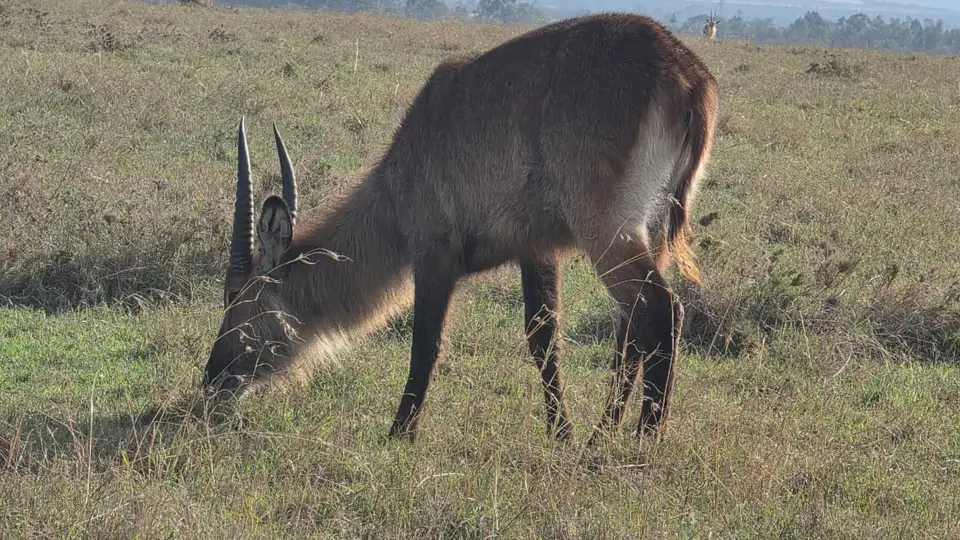
5. Combine countries only when the time works
Compare suitable options
A Mara–Serengeti combination needs an explicitly confirmed international connection, with the airports or authorised crossing arrangements and overnight location identified. Do not infer a direct flight or a same-day safari transfer from the map.
Use the East Africa hub to compare sample allocations of nights. If the confirmed schedule requires more time, extend the journey or remove a stage rather than hiding the travel within a nominal full safari day.
Best for: Travel timing Seasonal context Flexible plans
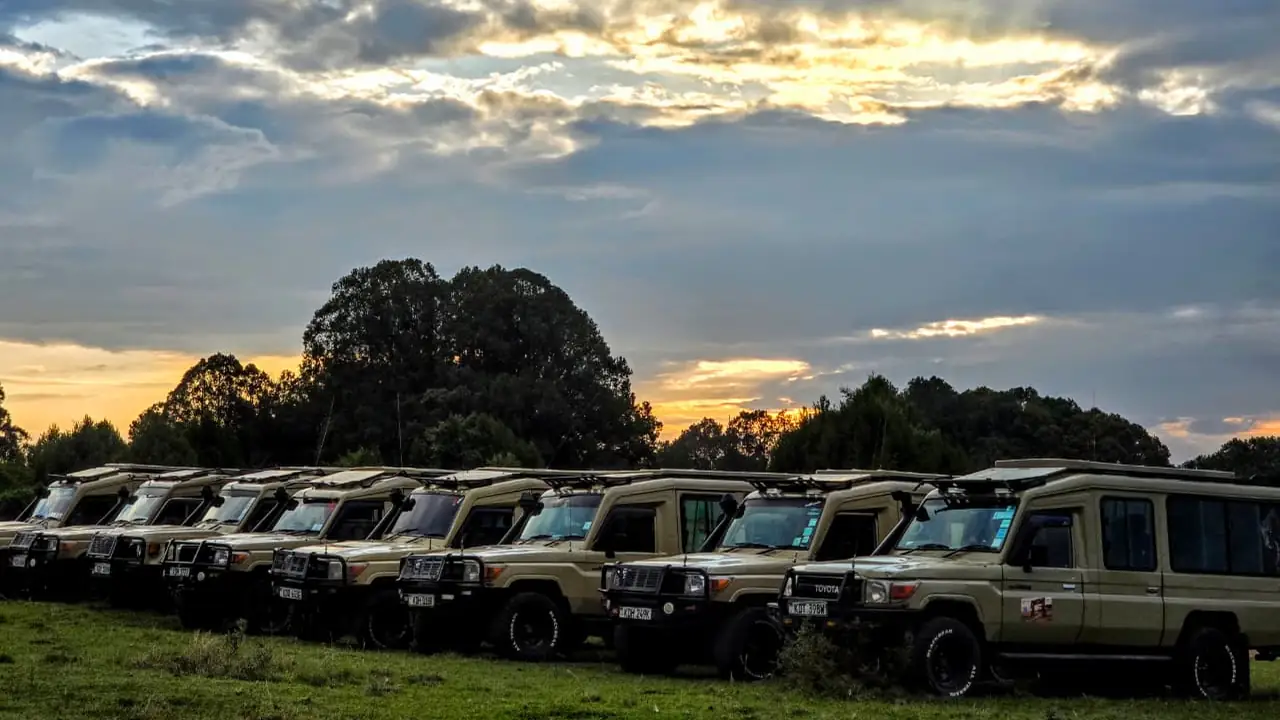
6. Choose accommodation for the route
Compare suitable options
The Kenya luxury guide includes The Ritz-Carlton, Masai Mara Safari Camp, Angama Mara and &Beyond Bateleur Camp as potential options. Tanzania’s Sayari and Sasakwa occupy different settings and should be evaluated accordingly.
Ask for named accommodation, guiding and access arrangements. No property inclusion here establishes a Brim partnership, held room or guaranteed wildlife proximity. Availability and the final proposal remain subject to confirmation.
Best for: Your priorities Practical comparisons Written confirmation
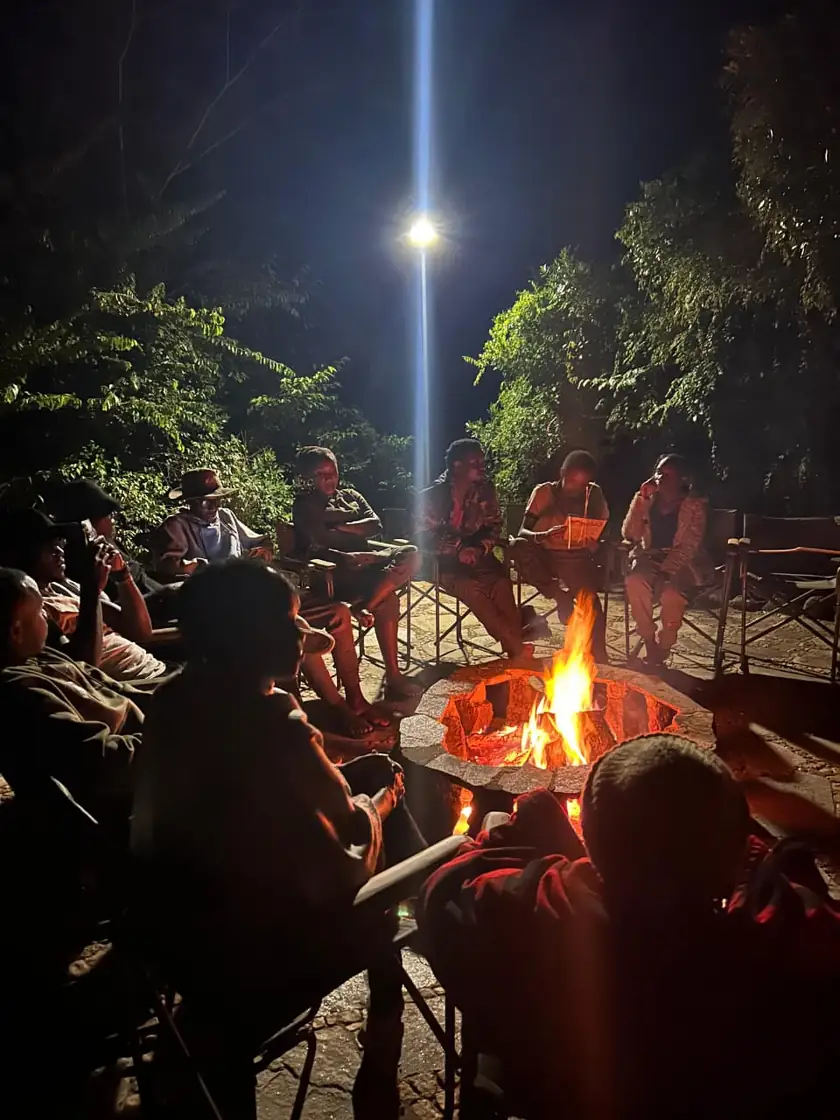
7. Prepare a timing enquiry
Check practical details
Give your preferred month, flexibility, total nights and the experience that matters most. If dates are fixed, say so; if wildlife positioning takes priority, ask which alternative dates or areas are worth comparing.
Request an explanation of the proposed route, not simply a claim that it is the best season. A useful proposal should state overnight locations, transfer stages, accommodation and inclusions, while leaving weather and wildlife appropriately uncertain.
Best for: Your priorities Practical comparisons Written confirmation

8. January to March: ask about the southern ecosystem
Check practical details
Early-year calving interests should lead to a discussion of the southern Serengeti ecosystem and the broader Ngorongoro conservation landscape. Ask where the proposed camp sits and how the day-to-day programme relates to the chosen base. Do not assume the word Serengeti establishes a single location.
For Kenya-focused travellers, keep the Mara in the comparison through its wider safari experience rather than pretending it offers the same seasonal event. A clear proposal explains what you are choosing and what you are not relying on. Several enjoyable wildlife days are a better foundation than an exact prediction about where animals will be on one morning.
Best for: Your priorities Practical comparisons Written confirmation
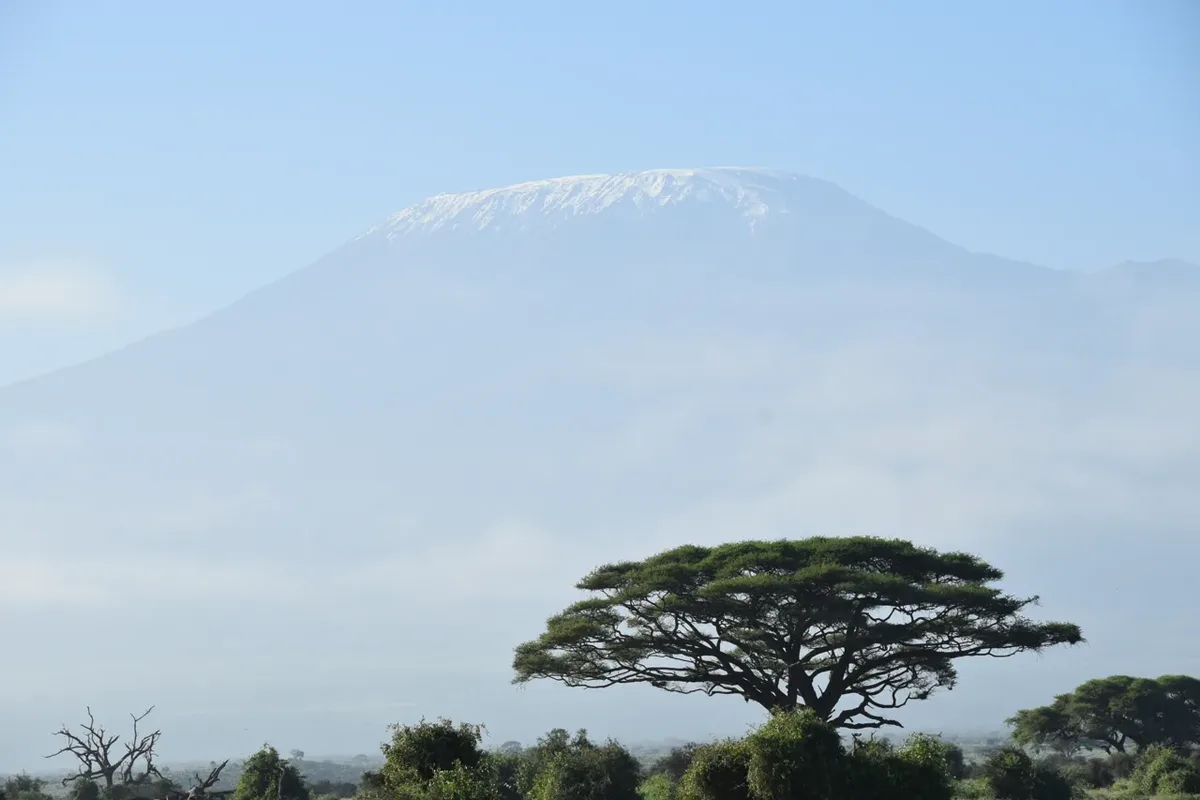
9. April and May: evaluate operations and flexibility
Prepare to enquire
For a wetter-period enquiry, ask about the actual property, road access and activities. A broad seasonal price label cannot tell you whether your preferred camp or route works. If one option is unavailable, compare a different base or region rather than assuming a nominally similar property gives the same experience.
Travellers who enjoy scenery and a quieter rhythm can still discuss a suitable proposal, but it should be honest about practical conditions. Keep weather-sensitive commitments flexible and avoid a schedule that depends on every transfer proceeding at an idealised pace. Compare the whole holiday, including any beach stage, before choosing dates solely from a headline rate.
Best for: Your priorities Practical comparisons Written confirmation

10. Additional planning considerations
Prepare to enquire
June to September: popular interests, no reserved encounters
Many enquiries in this period focus on Mara and Serengeti wildlife routes. Ask why the actual camp area is proposed for your dates and how the itinerary leaves time to explore it. A popular month or property does not reserve a particular sighting.
If your first-choice accommodation is unavailable, evaluate the alternative’s position and programme. Do not compare only the room category. For families and groups, confirm vehicle sharing and practical room arrangements. A comfortable stay with sufficient nights can be more useful than a hurried route assembled solely to include a famous property name.
October to December: reassess the camp location
Do not carry a mid-year location assumption unchanged into the final part of the year. Ask the planner to explain the proposed area and why it suits the actual dates. A camp that was appropriate for another traveller’s earlier journey may serve a different purpose in your itinerary.
Keep the wildlife programme flexible and choose accommodation that you will enjoy beyond the drives. If you are travelling over a holiday period, state the room and celebration requirements explicitly. Neither a festive date nor a premium quotation establishes availability, special extras or predictable wildlife movement.
Build a wildlife holiday that remains worthwhile
List the experiences you would enjoy even without a migration highlight: patient observation, guiding, birding, photography, landscape or time at a comfortable camp. Use those interests to choose the programme and the number of nights. This does not reduce the importance of a seasonal goal; it makes the wider journey coherent.
If one event is the only reason for travelling, discuss that expectation honestly before booking. No planner can convert a natural process into a confirmed appointment. A useful proposal explains both the seasonal rationale and the uncertainty, while giving you enough time to experience the area.
A practical timing checklist
Share fixed flights, total available nights and the flexibility of your departure window. Ask for overnight locations, transport modes and named accommodation. Confirm what is included and what remains on request. Request a current explanation of the location choice rather than relying on a generic annual chart.
For a two-country itinerary, identify the transfer day and any staging overnight explicitly. For a beach finish, confirm the coast connection separately. Before paying, review the actual supplier conditions and current travel requirements for your route. The enquiry form records a preferred month and independently chosen dates; it does not turn a seasonal interest into a guaranteed encounter.
Best for: Your priorities Practical comparisons Written confirmation
Four Booking Tips for Best Time to Visit Masai Mara and Serengeti
When planning Best Time to Visit Masai Mara and Serengeti, check four practical things:
- Match the dates. Ask what is suitable for your real travel window.
- Read the daily schedule. Look at transfers, rest and activity time.
- Check every inclusion. Confirm accommodation, fees, transport and optional services in writing.
- Review current conditions. Ordinary changes in weather or wildlife movements are possible; confirm official guidance and supplier terms.
Preparing for Best Time to Visit Masai Mara and Serengeti and What to Check
Before travelling, write down three priorities so the route and services can be planned around your group. Keep all names, dates and inclusions together in the paperwork you share with the other travellers or event organizer.
Worth knowing: a sample plan is not a confirmed booking. Review two documents before you pay: the written itinerary and the itemized quotation. If they disagree, request a corrected version.
3
Priorities to specify before planning
2
Documents to compare before booking
Plan Best Time to Visit Masai Mara and Serengeti with Brim Adventures
Brim Adventures helps travellers and groups plan around their dates, priorities and the practical details of each journey. Compare options here, then request a written itinerary with confirmed arrangements.
Explore more planning guides or request a personal quotation before deciding.
Published · Travel guide
Frequently asked questions
Can a crossing be guaranteed?
No. Wildlife movements and crossings cannot be reserved or guaranteed.
Is the calving area the same as Ngorongoro Crater?
No. The seasonal discussion concerns the wider southern-plains ecosystem.
Should I visit both countries in a short trip?
Only if confirmed connections leave enough time to enjoy each base; a longer stay in one area may be preferable.
Sources and planning references
Reviewed 3 November 2026. Seasonal patterns guide planning; actual weather, wildlife movements, operating arrangements and availability vary.