Why Is Kenya Safe for Tourists? 2026 Advice and 2027 Matters
Not all Is Kenya Safe for Tourists? 2026 Advice and 2027 choices work the same way. One example may have a long transfer or different inclusions; another may have the right activities but an uncomfortable schedule for your group.
You do not need specialist knowledge to compare the options. Start with the destinations, dates, logistics and inclusions explained below, then confirm any changing prices or restrictions before booking.
Is Kenya Safe for Tourists? 2026 Advice and 2027 Planning Spectrum: From Ideas to Confirmation
Use this planning scale to move from your first ideas to details you can verify. It is not a rating of suppliers.
1. Start with the basics
2. Compare suitable options
3. Check practical details
This is a starting point. Your dates and priorities determine the right next step.
Quick Picks: What Are You Planning?
Choose the question closest to yours and jump directly to the relevant sections.
| Your situation | Quick picks |
|---|---|
| I am starting to plan | Read official warnings geographically · Nairobi arrivals and airport transfers |
| I want to compare my choices | Moving around Nairobi and traveling after dark · Road travel and demonstrations |
| I need practical details | Safari and wildlife safety · Beaches, belongings and unfamiliar offers |
| I am ready to request a quote | Families, solo travelers and practical guide support · Insurance, emergency contacts and health updates |
Common Is Kenya Safe for Tourists? 2026 Advice and 2027 Choices and What They Are Best For
The following topics preserve the existing article guidance, organized so you can compare the details more easily.

1. Read official warnings geographically
Start with the basics
The UK FCDO regional-risk page distinguishes specific areas. Its checked warning includes all of Mandera County and specified parts of Wajir, Garissa and Lamu counties, with important exceptions. Lamu Island and Manda Island are treated differently from the rest of Lamu County, with advice to reach them by air rather than road. Read the complete official boundaries and map before route planning.
The same source discusses security operations in parts of several northern counties, including remote areas of Samburu and Baringo. That is not a statement that every place in those counties has identical conditions. A named reserve, its approach road and an overnight stop need to be considered together. Do not turn a county-level reference into a judgment about an entire community.
Use the advice relevant to you
FCDO advice is the UK government’s position. Travelers with other citizenships should also consult their own government and insurer. Differences in wording or warning levels can affect cover and travel decisions. A tour operator’s willingness to offer a route does not override an official warning or establish insurance eligibility.
Best for: Your priorities Practical comparisons Written confirmation

2. Nairobi arrivals and airport transfers
Start with the basics
Arrange the first transfer before arrival and retain the provider’s confirmed meeting instructions. Know the company or driver contact, destination address and how to report a delay. Confirm the vehicle and booking through the established channel before getting in. Do not rely solely on someone approaching you with a familiar name.
FCDO’s regional guidance recommends Mombasa Road or the Nairobi Expressway between Jomo Kenyatta International Airport and Nairobi City. Ask the provider to explain the route and any change due to current conditions. Avoid requesting an improvised shortcut merely to recover time lost in immigration or baggage collection.
Keep the first day realistic. A long flight, traffic and hotel check-in can make an ambitious attraction schedule uncomfortable. If arriving late, confirm accommodation access and transfer arrangements rather than adding an unscheduled excursion. Share flight changes promptly and keep a way to contact the provider without depending entirely on one messaging application.
Best for: Your priorities Practical comparisons Written confirmation
3. Moving around Nairobi and traveling after dark
Compare suitable options
Choose a specific daytime activity and a practical return plan. Ask your accommodation or a knowledgeable local contact about the exact route and current conditions. An area’s appearance on a popular itinerary is not a guarantee about every street, hour or mode of transport. Avoid broad labels suggesting that all neighborhoods or residents share the same risk.
FCDO advises against walking alone in isolated areas and recommends avoiding night driving where possible. For an evening outing, arrange a suitable pickup and return rather than assuming an unfamiliar walk is manageable. Keep the pickup location clear and use a recognized transport arrangement. Do not let a lower fare obscure an uncertain destination or unsafe vehicle.
For public transport, consider luggage, crowding, route knowledge and the last connection to your accommodation. A visitor with a large suitcase and a tight flight deadline faces a different planning problem from someone making a familiar daytime trip. Compare the whole journey rather than treating every transport option as equally appropriate for every traveler.
Best for: Your priorities Practical comparisons Written confirmation
4. Road travel and demonstrations
Compare suitable options
Build overland days around an achievable pace with breaks and daylight where practical. Ask about seat belts, the actual vehicle, luggage capacity and who drives. A short route description should identify the planned overnight base and any substantial transfer, not simply promise “a scenic drive.” Do not ask a driver to compensate for delays by speeding.
The FCDO safety page warns that demonstrations and strikes can disrupt traffic and become violent. Avoid gatherings, monitor current local information and follow authority instructions. An itinerary needs flexibility when access changes. Do not travel toward a gathering simply because it appears to be on the shortest route.
Ask the planner how a significant delay affects the next activity, accommodation arrival and any flight connection. Keep a contact method for the next supplier. Cancellation and change costs depend on the booking terms; a disruption does not automatically make every prepaid item refundable. Clarify those terms while planning rather than during an incident.
Best for: Your priorities Practical comparisons Written confirmation
5. Safari and wildlife safety
Check practical details
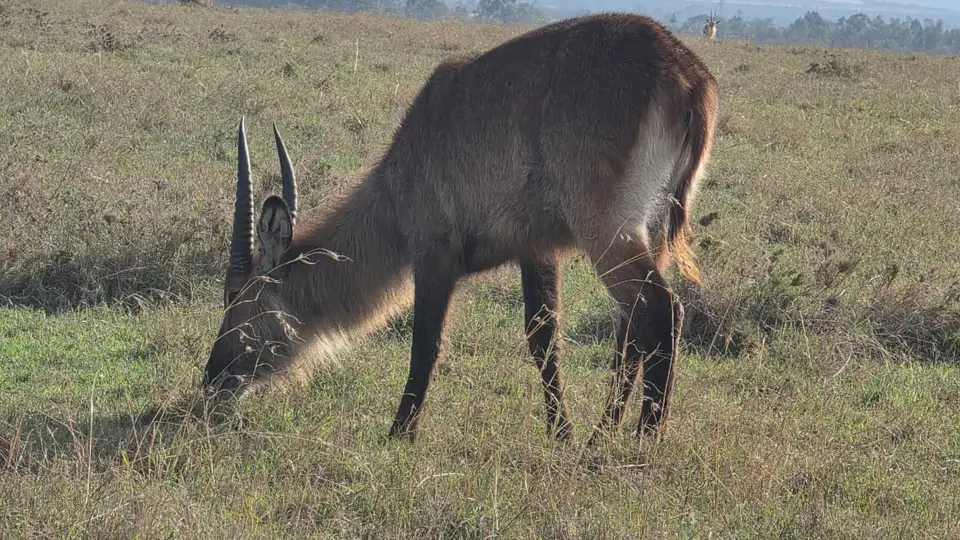
Inside protected areas, the relevant authority and guide instructions govern movement. Stay in the vehicle unless you are at an authorized stopping place or participating in an expressly arranged activity. A picnic site, lodge path and walking safari are different situations. Do not use photographs of other visitors outside vehicles as proof that an action is permitted.
Keep children supervised and explain the instructions before reaching a sighting. Give animals space, avoid feeding them and do not pressure the guide to chase a particular photograph. Ordinary game-drive admission does not authorize a walk, a drone flight or commercial filming. Check permissions and any extra charges separately.
For a camp or lodge, request the property’s arrival and after-dark movement instructions. Ask about assistance between rooms and shared areas where relevant. A fenced appearance or a familiar hotel brand is not a reason to disregard staff guidance. A useful safari proposal explains the actual setting and activities without guaranteeing wildlife behavior.
Best for: Travel preparation Current guidance Safe decisions
6. Beaches, belongings and unfamiliar offers
Check practical details
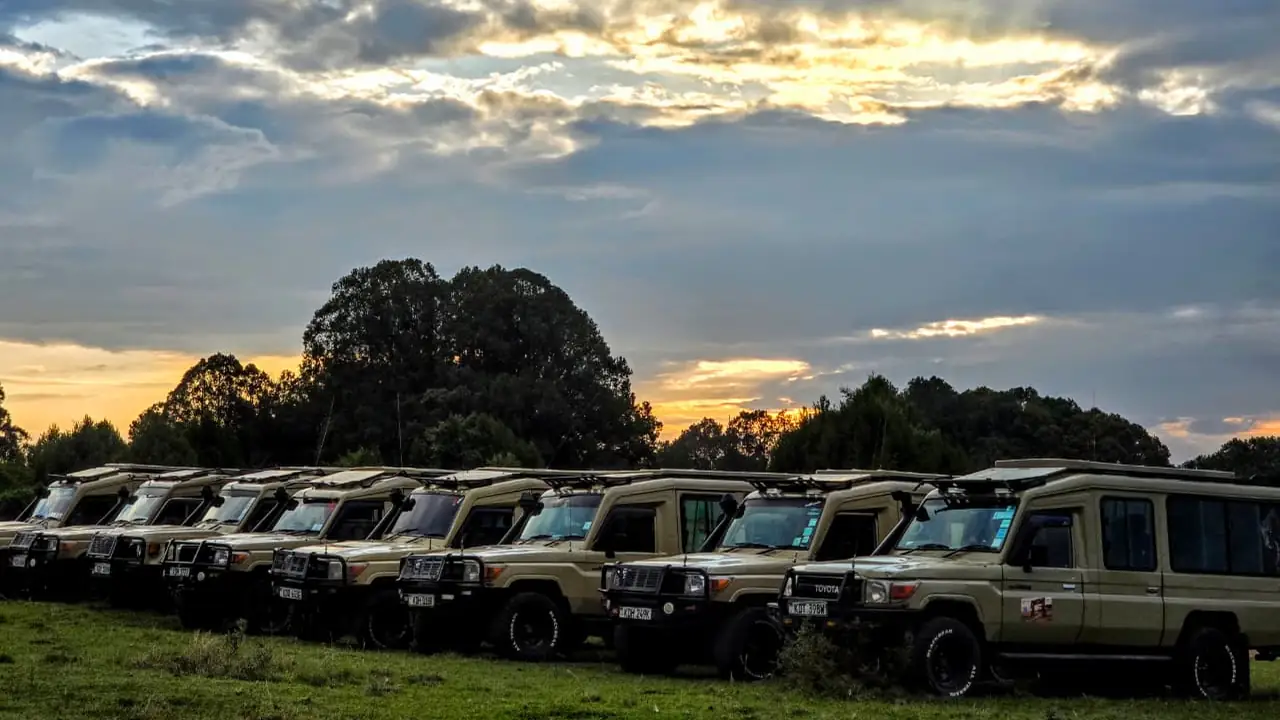
A coast stay needs its own practical planning. Ask the accommodation about appropriate swimming areas, current sea conditions and any supervised activities. A beach photograph cannot establish safe water conditions on your travel date. Choose an activity provider based on the actual equipment, supervision and terms, not an informal promise made on arrival.
Keep essential documents and valuables secure, carry only what the outing requires and avoid displaying expensive equipment unnecessarily. FCDO highlights theft risks and scams, including people impersonating officials. If a request for money or documents seems unusual, seek verification through an established official or accommodation contact rather than handing over valuables under pressure.
Do not frame these precautions as a judgment about local people. Ask permission before photographing individuals and use respectful, agreed arrangements for hosted experiences. For food, nightlife or cultural visits, establish the venue, transport and return plan. A clear program is more useful than describing an experience vaguely as authentic or safe.
Best for: Your priorities Practical comparisons Written confirmation
7. Families, solo travelers and practical guide support
Prepare to enquire
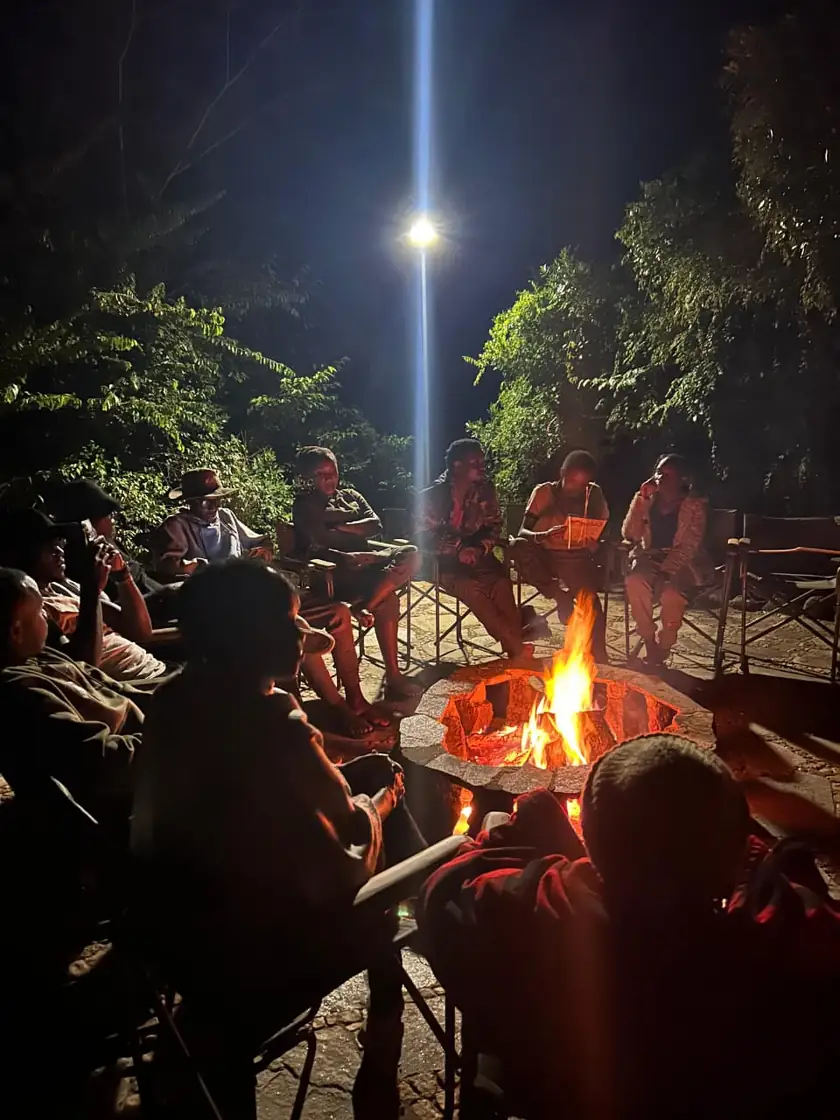
Families should share children’s ages, seating needs and any accessibility requirements before booking. Plan breaks and a realistic number of stops. Solo travelers should know the meeting arrangements and who to contact if a pickup fails. In either case, a written itinerary and reliable communication are more useful than a generic promise of constant protection.
Brim can discuss the safari route, transfer logistics, travel times and relevant destination information as part of a proposed arrangement. Confirm the actual services in the quotation. A guide’s local knowledge can help with orientation and practical decisions, but it does not replace government advice, emergency services, insurance or personal judgment.
If a route involves a special activity or a less familiar area, ask what current local confirmation supports it. Explain concerns before paying so that alternatives can be considered. Do not expect a guide to waive authority restrictions or guarantee security simply because an itinerary has already been agreed.
Best for: Your priorities Practical comparisons Written confirmation

8. Insurance, emergency contacts and health updates
Prepare to enquire
Check medical treatment, evacuation, activity cover and any exclusions related to official travel warnings. Give the insurer the exact route, including transfers and specialist activities. Ask whether an activity or location requires additional cover. Keep the assistance number and policy reference available offline, together with your accommodation and provider contacts.
The official UK getting-help page lists 999 for ambulance, fire and police in Kenya. Save the number alongside your insurer and the relevant consular contact. Give a precise location when seeking help. Do not treat an operator’s booking phone as a guaranteed emergency response service.
Health requirements and outbreaks are separate from general security advice. Read the dated Ebola update and the vaccination and malaria guide. Recheck official information before departure. To discuss a practical route, send dates, party details and priorities through Brim’s inquiry page; medical or security clearance cannot be supplied through a safari quote.
Insurance can also be an entry-document issue. Review the health guide’s entry-insurance section and the current official entry advice, which records a government-provided health-insurance requirement with exemptions from October 5, 2026. Do not assume a personal policy replaces that requirement.
Best for: Travel preparation Current guidance Safe decisions
Four Booking Tips for Is Kenya Safe for Tourists? 2026 Advice and 2027
When planning Is Kenya Safe for Tourists? 2026 Advice and 2027, check four practical things:
- Match the dates. Ask what is suitable for your real travel window.
- Read the daily schedule. Look at transfers, rest and activity time.
- Check every inclusion. Confirm accommodation, fees, transport and optional services in writing.
- Review current conditions. Ordinary changes in weather or wildlife movements are possible; confirm official guidance and supplier terms.
Preparing for Is Kenya Safe for Tourists? 2026 Advice and 2027 and What to Check

Before travelling, write down three priorities so the route and services can be planned around your group. Keep all names, dates and inclusions together in the paperwork you share with the other travellers or event organizer.
Worth knowing: a sample plan is not a confirmed booking. Review two documents before you pay: the written itinerary and the itemized quotation. If they disagree, request a corrected version.
3
Priorities to specify before planning
2
Documents to compare before booking
Plan Is Kenya Safe for Tourists? 2026 Advice and 2027 with Brim Adventures
Brim Adventures helps travellers and groups plan around their dates, priorities and the practical details of each journey. Compare options here, then request a written itinerary with confirmed arrangements.
Explore more planning guides or request a personal quotation before deciding.
Published · Travel guide
Official sources and verification
- FCDO regional risks, checked October 27, 2026
- FCDO safety and security, checked October 27, 2026
- FCDO emergency services and assistance
- KWS protected-area visitor rules
- FCDO entry guidance checked October 27, 2026: insurance and screening
Sources checked 27 October 2026. Source publication dates and tariff effective dates are identified in the text. Recheck changing information before payment or travel.
Frequently asked questions
Is every part of Kenya under the same official warning?
No. Advisories identify specific boundaries, exceptions and levels of concern. Read the complete current advice and map for the route, not only a country-level headline.
Can an operator guarantee a safe safari?
No guarantee removes security, road, wildlife or health risks. A useful provider explains the planned services, practical precautions and current relevant information.
Should I apply today’s advice to a 2027 trip unchanged?
No. Use it for initial planning, then recheck before committing and before departure. Conditions, official advice and insurance consequences can change.
Which emergency number is recorded here?
The checked UK government getting-help page lists 999 for ambulance, fire and police. Also keep the insurer’s assistance number, accommodation details and the relevant consular contact.
Plan your Kenya journey
Share your dates, traveler numbers, interests and preferred pace. Request a written itinerary and quote with confirmed availability and inclusions.
Request a Quote WhatsApp Brim