
Why Vaccinations for Kenya Travel Matters
Not all Vaccinations for Kenya Travel choices work the same way. One example may have a long transfer or different inclusions; another may have the right activities but an uncomfortable schedule for your group.
You do not need specialist knowledge to compare the options. Start with the destinations, dates, logistics and inclusions explained below, then confirm any changing prices or restrictions before booking.
Vaccinations for Kenya Travel Planning Spectrum: From Ideas to Confirmation
Use this planning scale to move from your first ideas to details you can verify. It is not a rating of suppliers.
1. Start with the basics
2. Compare suitable options
3. Check practical details
This is a starting point. Your dates and priorities determine the right next step.
Quick Picks: What Are You Planning?
Choose the question closest to yours and jump directly to the relevant sections.
| Your situation | Quick picks |
|---|---|
| I am starting to plan | Four different health questions to settle · Yellow fever: entry rules and recommendations differ |
| I want to compare my choices | Routine vaccines, measles, hepatitis and typhoid · Rabies and animal-related activities |
| I need practical details | Malaria risk is itinerary-specific · Bite prevention, food and water |
| I am ready to request a quote | Children, pregnancy, older adults and medical conditions · Insurance, outbreak updates and the final checklist |
Common Vaccinations for Kenya Travel Choices and What They Are Best For
The following topics preserve the existing article guidance, organized so you can compare the details more easily.
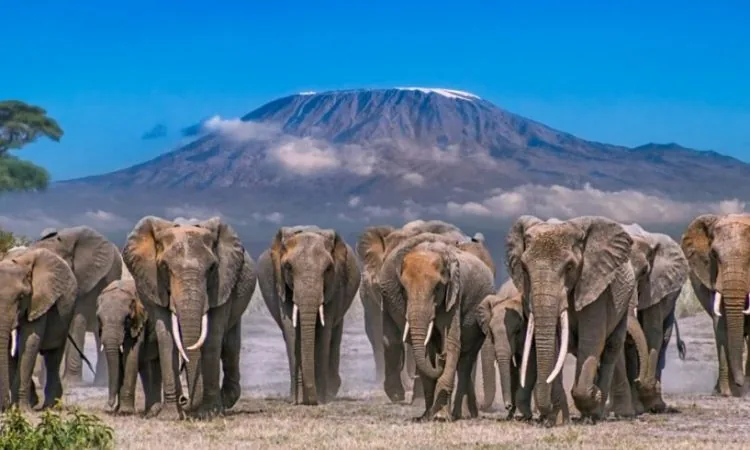
1. Four different health questions to settle
Start with the basics
Separate border requirements, recommended immunizations, malaria prevention and general precautions. A certificate required for entry is not a complete health plan. A vaccine recommended by a clinician may not be a border requirement. A malaria prescription addresses a different disease pathway, and everyday food, water and bite precautions remain relevant even after a medical consultation.
Prepare a route-specific appointment
Bring flight origins and connections, every overnight destination, dates, planned activities, previous vaccine records and relevant medical history. “A week in Kenya” does not tell a clinician whether you will stay in central Nairobi, visit game parks, spend time at the coast or cross a border. Include remote stays and activities involving animals or sustained outdoor exposure.
CDC’s Kenya traveler page advises arranging a medical visit at least a month before travel where possible. If departure is sooner, seek advice promptly rather than assume preparation is pointless. Your clinician can explain what is practical within the time available. Do not shorten a prescribed schedule or borrow another traveler’s medication to fit a booking date.
Best for: Travel preparation Current guidance Safe decisions
2. Yellow fever: entry rules and recommendations differ
Start with the basics
The checked CDC Kenya page says yellow fever vaccination is not required for direct travel from the United States, while arrival from a country with yellow fever transmission risk requires it for travelers aged one year and older. This is route-dependent guidance, not a statement that every passport holder follows the same rule regardless of connections.
CDC separately recommends vaccination for many travelers aged nine months and older, with geographic exceptions including travel limited to central Nairobi and specified other areas. The recommendation threshold and the entry-rule threshold are different. Show the complete route to your clinician and confirm current official entry requirements for every country visited or transited.
The CDC Yellow Book yellow fever chapter explains clinical assessment and certificate issues. A traveler who cannot receive a vaccine needs professional advice about the options and official acceptance of any documentation. Do not assume a waiver, photocopy or an old booking email will automatically satisfy a border authority.
Best for: Your priorities Practical comparisons Written confirmation
3. Routine vaccines, measles, hepatitis and typhoid
Compare suitable options
Review the routine immunization record, including tetanus-containing vaccines and measles protection. CDC’s routine vaccine guidance emphasizes keeping these up to date for international travel. The appointment should identify missing records and appropriate catch-up decisions rather than treating every traveler as if they had never been vaccinated.
CDC’s Kenya page includes hepatitis A, hepatitis B and typhoid in its travel-health recommendations. Which product or schedule is appropriate depends on age, prior protection and medical circumstances. Ask the clinician to distinguish what is recommended for you from what is required for entry. A friend’s vaccination list is not a substitute for that assessment.
Typhoid vaccination does not remove the need for careful food and water choices. Likewise, routine vaccines do not cover every infection encountered during travel. Ask for a short written plan explaining the remaining precautions and what to do if you become ill. A useful consultation should leave you understanding the decisions, not simply carrying a receipt for several injections.
Best for: Travel preparation Current guidance Safe decisions
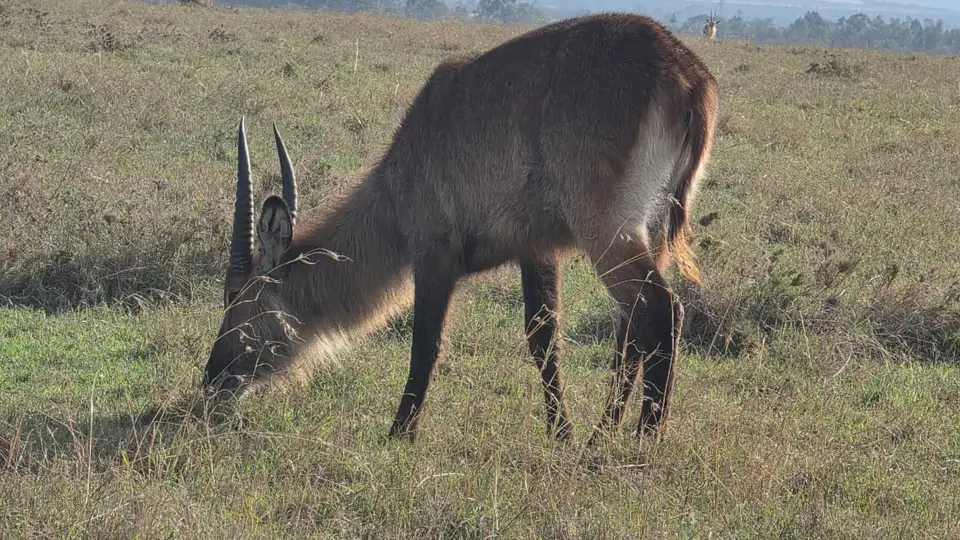
4. Rabies and animal-related activities
Compare suitable options
CDC’s Kenya guidance asks clinicians to consider rabies vaccination in relation to expected animal contact and access to prompt care after exposure. Tell the clinician about work with animals, extended stays or activities that could increase contact. A standard wildlife-viewing safari and hands-on animal work are different exposure patterns.
Do not touch or feed unfamiliar animals, including apparently healthy domestic animals. If a bite, scratch or other concerning contact occurs, obtain prompt professional assessment. Previous vaccination does not justify ignoring an exposure or delaying care until the holiday ends. Ask the clinician before travel how to recognize a situation needing urgent help and which assistance channel to use.
Keep medical questions with qualified professionals. A guide can help describe the route or coordinate transport, but cannot determine that an animal contact is harmless. Discuss access to treatment and insurance assistance before a remote stay, rather than relying on an assumption that every nearby clinic holds every required product.
Best for: Your priorities Practical comparisons Written confirmation
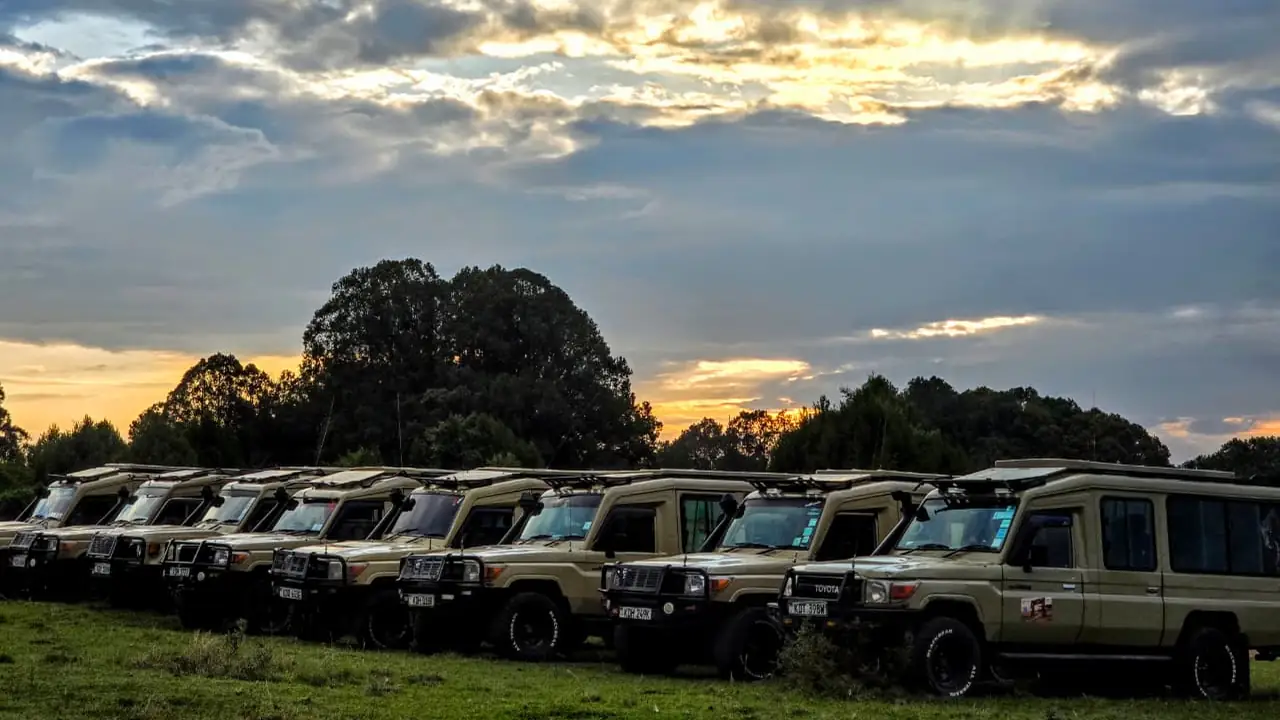
5. Malaria risk is itinerary-specific
Check practical details
The checked CDC Kenya page identifies malaria transmission in many areas below 2,500 meters, including game parks, while distinguishing the highly urbanized central part of Nairobi. Do not extend the central-city exception automatically to the whole Nairobi region or a wildlife itinerary. Ask the clinician to assess the actual overnight locations and activities.
The CDC Yellow Book malaria chapter explains prevention decisions and why personal circumstances matter. A prescription choice can depend on medical history, age, pregnancy, other medicines and the travel plan. This article does not select a drug or specify a dose. Use the prescription and instructions provided for you.
Ask when to start and finish the prescribed course, how to manage a missed dose and what to do about side effects. Some regimens extend beyond the time in the destination. Do not stop solely because the safari has ended without following clinical directions. No preventive measure should be interpreted as a guarantee that a fever cannot be malaria.
Best for: Your priorities Practical comparisons Written confirmation
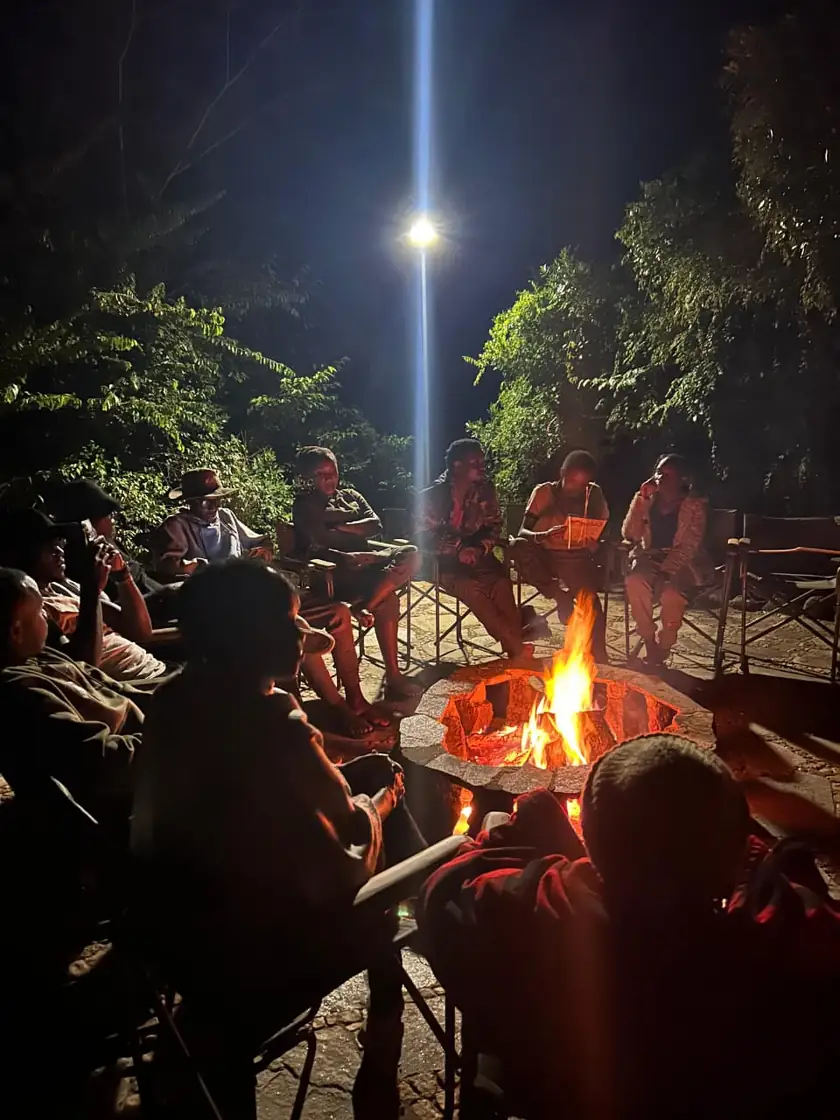
6. Bite prevention, food and water
Check practical details
Discuss a suitable insect repellent, protective clothing and sleeping arrangements with your health professional. Follow product instructions, particularly for children. A screened or otherwise appropriately protected sleeping space and consistent bite precautions complement any prescribed medication. The plan should be workable for the actual camp or hotel rather than depend on an assumed facility.
Ask about drinking-water arrangements before an excursion or trek and carry enough for the planned activity. Use sensible food hygiene and avoid treating an attractive venue or a busy food stall as proof of safe handling. For longer outings, clarify how meals and water will be supplied instead of expecting a shop at every stopping point.
General precautions also include sun, heat, physical exertion and access to necessary personal medicines. Keep essential prescriptions in appropriate packaging and verify any import restrictions through official channels. For conditions requiring refrigerated supplies or reliable power, discuss the facilities directly with the accommodation provider before booking.
Best for: Group goals Venues and services Coordination

7. Children, pregnancy, older adults and medical conditions
Prepare to enquire
Each traveler needs an individual assessment. Infants and children can have different vaccine schedules and medication considerations from adults. Bring the child’s record and actual age at travel. Do not scale an adult prescription yourself or assume the same product suits everyone sharing the itinerary.
Pregnant travelers and people planning pregnancy should discuss the route and infection risks with a clinician before committing. Older travelers and people with chronic conditions or immune suppression should also explain their circumstances and current medicines. The appropriate response may involve a different schedule, additional preparation or a revised itinerary; a booking team cannot make that medical decision.
Ask what symptoms or circumstances should prompt urgent assessment during or after the trip. A fever after travel should be discussed promptly with a healthcare professional, including the full travel history. Do not assume every illness is Ebola, malaria or an ordinary stomach upset based on an online article.
Best for: Your priorities Practical comparisons Written confirmation

8. Insurance, outbreak updates and the final checklist
Prepare to enquire
Check insurance for treatment, existing conditions, the planned activities and medical evacuation. Ask how assistance is authorized and what records are required. A park admission, vehicle booking or general promise of local help does not prove that evacuation is covered. Keep the insurer’s number and policy reference accessible offline.
Ebola guidance needs its own current-source check. WHO and CDC distinguish different Ebola viruses; a vaccine for one species should not be assumed to protect against Bundibugyo virus disease. Read the separate dated Kenya Ebola update and follow official health instructions. Routine travel vaccination is not a universal outbreak clearance.
Before departure, confirm the route-based entry documents, complete the professional health plan, pack necessary medicines and save assistance contacts. Use the general safety guide for nonmedical planning. Share logistics through Brim’s inquiry page, while keeping private medical details with your clinician and insurer. Recheck official requirements close to travel because this October 2026 review does not guarantee future rules.
Required entry insurance is separate from personal cover
The checked FCDO entry page reports that, from October 5, 2026, most visits shorter than twelve months require Kenyan Government-provided travel-health insurance. It says eTA applicants buy it through that process and existing eTA holders use the official eCitizen insurance portal. It identifies exemptions for Kenyan citizens, valid Kenyan residents, EAC citizens and travelers remaining in transit without passing immigration. Confirm your category and the current official terms. Your own medical, activity and evacuation cover remains a separate suitability question; a foreign policy is not described as a substitute for the entry requirement.
Best for: Travel timing Seasonal context Flexible plans
Four Booking Tips for Vaccinations for Kenya Travel
When planning Vaccinations for Kenya Travel, check four practical things:
- Match the dates. Ask what is suitable for your real travel window.
- Read the daily schedule. Look at transfers, rest and activity time.
- Check every inclusion. Confirm accommodation, fees, transport and optional services in writing.
- Review current conditions. Ordinary changes in weather or wildlife movements are possible; confirm official guidance and supplier terms.
Preparing for Vaccinations for Kenya Travel and What to Check
Before travelling, write down three priorities so the route and services can be planned around your group. Keep all names, dates and inclusions together in the paperwork you share with the other travellers or event organizer.
Worth knowing: a sample plan is not a confirmed booking. Review two documents before you pay: the written itinerary and the itemized quotation. If they disagree, request a corrected version.
3
Priorities to specify before planning
2
Documents to compare before booking
Plan Vaccinations for Kenya Travel with Brim Adventures
Brim Adventures helps travellers and groups plan around their dates, priorities and the practical details of each journey. Compare options here, then request a written itinerary with confirmed arrangements.
Explore more planning guides or request a personal quotation before deciding.
Published · Travel guide
Official sources and verification
- CDC Kenya traveler guidance, checked October 27, 2026; destination vaccine table updated April 23, 2025
- CDC Yellow Book: yellow fever and certificates
- CDC Yellow Book: malaria prevention
- CDC routine vaccination guidance
- WHO distinctions between Ebola diseases
- Official Kenya entry-requirement guidance from FCDO
Sources checked 27 October 2026. Source publication dates and tariff effective dates are identified in the text. Recheck changing information before payment or travel.
Frequently asked questions
Does every visitor need the same yellow fever certificate?
No. Entry requirements can depend on origin and route, while clinical recommendations depend on destination and personal circumstances. Confirm both separately.
Are malaria tablets a vaccination?
No. They are preventive medication. A qualified professional should assess the itinerary and personal circumstances, prescribe where appropriate and provide individual instructions.
Can a safari operator choose my medicine?
Medical assessment and prescribing belong to qualified professionals. A planner can provide destination and itinerary details needed for that consultation.
Should I ignore illness because I took preventive medication?
No. Preventive measures do not guarantee protection. Seek professional assessment for concerning illness and explain the travel history and medicines used.
Plan your Kenya journey
Share your dates, traveler numbers, interests and preferred pace. Request a written itinerary and quote with confirmed availability and inclusions.
Request a Quote WhatsApp Brim