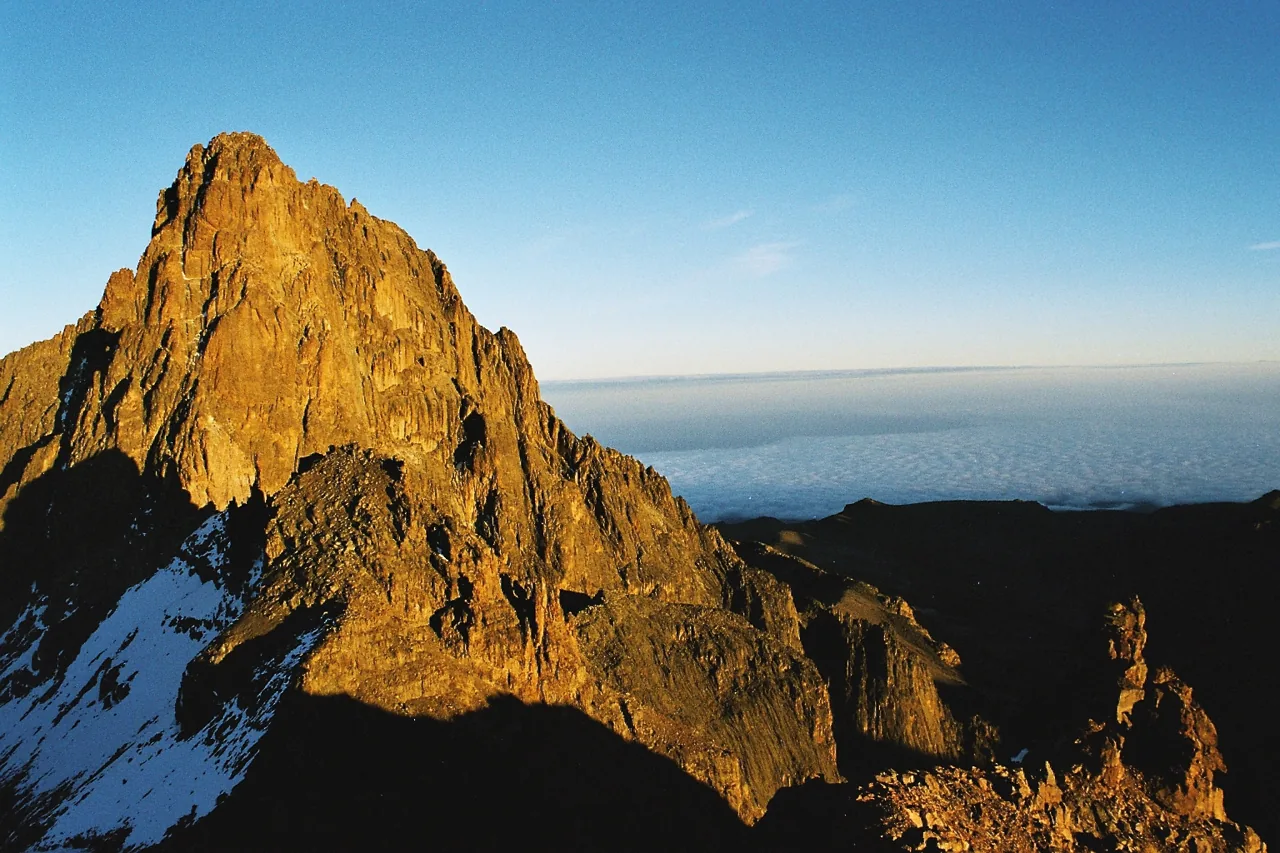
Why Mount Kenya National Park Fees and Trekking Budget Checklist Matters
Not all Mount Kenya National Park Fees and Trekking Budget Checklist choices work the same way. One example may have a long transfer or different inclusions; another may have the right activities but an uncomfortable schedule for your group.
You do not need specialist knowledge to compare the options. Start with the destinations, dates, logistics and inclusions explained below, then confirm any changing prices or restrictions before booking.
Mount Kenya National Park Fees and Trekking Budget Checklist Planning Spectrum: From Ideas to Confirmation
Use this planning scale to move from your first ideas to details you can verify. It is not a rating of suppliers.
1. Start with the basics
2. Compare suitable options
3. Check practical details
4. Prepare to enquire
This is a starting point. Your dates and priorities determine the right next step.
Quick Picks: What Are You Planning?
Choose the question closest to yours and jump directly to the relevant sections.
| Your situation | Quick picks |
|---|---|
| I want to identify the main fees | Official Mount Kenya conservation amounts · Separate route choice from an entry ticket |
| I need a comparison of categories | Build a day-by-day fee worksheet · Vehicle transfers and vehicle entry |
| I am working out the full cost | Guides, porters, food and overnight costs · Health preparation and the emergency plan |
| I need payment and access details | Eligibility, payment and paperwork · Does the park fee pay for a guide and porters? |
Common Mount Kenya National Park Fees and Trekking Budget Checklist Choices and What They Are Best For
The following topics preserve the existing article guidance, organized so you can compare the details more easily.
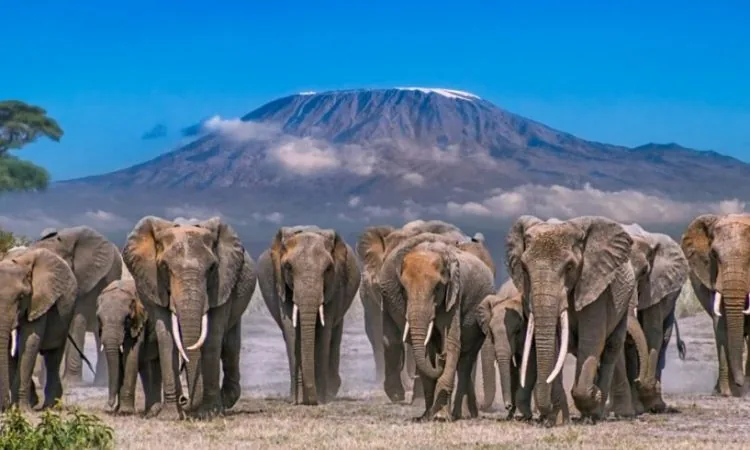
1. Official Mount Kenya conservation amounts
Start with the basics
| Official visitor category | Currency | Adult | Child / student |
|---|---|---|---|
| East African citizen | KES | 800 | 400 |
| Kenya resident | KES | 1,100 | 550 |
| Non-resident | USD | 70 | 35 |
| African citizen | USD | 30 | 15 |
Schedule effective . Amounts checked . Official KWS tariff; implementation notice. These are existing rates used for 2026 planning, not newly announced 2027 prices. Confirm eligibility and the applicable charging period before payment.
The original official tariff was inspected October 27, 2026. It distinguishes East African citizens, Kenya residents, African citizens outside the East African Community and other non-residents. The KES and USD columns must remain separate in your worksheet until the quotation explains conversion. There is no new 2027 rate announcement asserted by this article.
An ordinary daily-fee definition concerns single access for a period not exceeding twenty-four hours. It does not automatically establish the total for an entire climb, nor does it promise re-entry after leaving. Ask KWS or the planner to identify the billable periods for the exact route, including arrival and exit. A trek’s number of nights alone is not enough to reconstruct the admission bill.
Best for: Your priorities Practical comparisons Written confirmation

2. Separate route choice from an entry ticket
Start with the basics
KWS’s official park information identifies Sirimon, Naro Moru and Chogoria as established access routes. A route name is a starting point, not a complete climbing program. Ask which gate is used to enter, where each day ends, which overnight sites are intended and how the return transfer works. A traverse can require different logistics from returning to the same trailhead.
Do not assume that a named summit or viewpoint is appropriate for every traveler. Give the organizer your relevant experience, comfort with long walking days and any mobility constraints. Request a clear description of terrain, daily effort, equipment and support. For medical suitability, discuss the actual itinerary with a qualified clinician rather than relying on a sales description.
Current access takes priority over an old route description
The KWS route reference is useful background, but current gate access, trail condition and permissions need confirmation for your dates. If an alternative approach is proposed, ask whether prior authorization is required. An admission payment does not authorize an otherwise restricted route or replace an activity permit.
Best for: Your priorities Practical comparisons Written confirmation
3. Build a day-by-day fee worksheet
Compare suitable options
List the planned arrival time at the gate, each overnight location and the intended exit. Place conservation periods, camping or accommodation and any special services on separate rows. Then ask the organizer to show how its admission total maps to those rows. This makes it easier to spot an omitted last day or an unsupported assumption about a package concession.
For illustration, two qualifying Kenya-resident adults have a Mount Kenya admission subtotal of KES 2,200 for one applicable standard charging period. That is only the conservation component. It says nothing about the cost of a guide, porters, food, accommodation, equipment or transport. If a vehicle enters, its own applicable fee also needs consideration.
Do not multiply that example into a complete multi-day trek without confirming the charging rules. A schedule may have special provisions, and your actual entry and exit arrangements matter. Ask for the official basis where a supplier proposes a package or concession. Keep the calculation attached to the dated itinerary so that route revisions also trigger a cost review.
Best for: Budget planning Official terms Clear inclusions
4. Vehicle transfers and vehicle entry
Compare suitable options
| Vehicle seating capacity | Currency | Amount |
|---|---|---|
| Fewer than 6 seats | KES | 600 |
| 6 to 12 seats | KES | 1,500 |
| 13 to 24 seats | KES | 3,000 |
| 25 to 44 seats | KES | 4,500 |
| 45 seats or more | KES | 5,000 |
Schedule effective . Amounts checked . Official KWS tariff; implementation notice. These are existing rates used for 2026 planning, not newly announced 2027 prices. Confirm eligibility and the applicable charging period before payment.
Clarify whether the vehicle enters the protected area, drops travelers outside it or provides a higher trailhead transfer under an agreed arrangement. These are different services. The cost of collecting you in Nairobi or Nanyuki is not the same thing as an authority’s vehicle entry fee. Ask the quotation to identify both rather than use a single undefined “transport” label.
Seating capacity, not occupied seats, determines the displayed vehicle band. For an entering vehicle with fewer than six seats, the standard daily charge is KES 600. Six seats belong to the next band. If a commercial authorization or other applicable provision changes the arrangement, ask the operator how it has been accounted for before adding charges yourself.
A traverse also needs a practical pickup at the exit. Agree on a meeting point, communication method and what happens if the group finishes earlier or later. Avoid committing to a tight onward international flight on the assumption that every mountain day follows the original schedule exactly.
Best for: Your priorities Practical comparisons Written confirmation
5. Guides, porters, food and overnight costs
Check practical details
Request a staff plan that identifies who guides, who carries group supplies and what personal load each traveler is expected to carry. Ask how staff accommodation, food and transport are included. A conservation-fee exemption for qualifying registered tourism personnel does not mean that their labor is free or that all associated expenses disappear.
Confirm the actual overnight arrangement: hut or other accommodation, public campsite or a separately reserved site. The KWS tariff has different camping provisions; a camping line does not supply tents, sleeping bags, meals or a cook. Ask which equipment is included, its condition and what personal items you must provide. Avoid assuming a photograph of a tent establishes the standard of the entire program.
For meals, explain dietary requirements before the trip and confirm how drinking water will be supplied. Ask whether rental equipment is available in the sizes needed and whether substitutions can occur. These are practical procurement questions, not guarantees that every item or sleeping place is available on your dates.
Best for: Budget planning Official terms Clear inclusions
6. Health preparation and the emergency plan
Check practical details
A higher-altitude itinerary deserves a medical discussion before purchase, particularly for anyone with a chronic condition, a previous altitude-related problem or uncertainty about sustained exercise. Bring the proposed daily stages to that consultation. This article does not diagnose fitness or recommend medication. Changing the route or pace may be more useful than asking a guide to promise that everyone will reach a summit.
Ask the organizer how a decision to stop or descend is made, who coordinates assistance and what communication is available along the route. Check the limits of travel insurance and evacuation cover for the actual activity and altitude. A park ticket, operator phone number or general medical policy is not evidence that every rescue cost is insured.
Keep a contingency allowance for additional nights, transport or itinerary changes. Discuss how costs are handled if someone leaves the trek early. These questions belong in the booking conversation, not at the moment a participant needs help. For broader preparation, read the Kenya travel-health guide and use its official references.
Best for: Travel preparation Current guidance Safe decisions
7. Eligibility, payment and paperwork
Prepare to enquire
KWS ties resident eligibility to a valid resident permit. Its student category is for documented institutional educational visits by people no older than twenty-three, not every holiday traveler with a student card. A family should also confirm each child’s admission classification and the provider’s activity suitability rules. The schedule has overlapping definition and exemption wording at age five, which requires direct clarification.
Independent KWS payments follow the official eCitizen service. Check destination, dates, travelers and vehicle, and save the receipt offline. If the trekking organizer pays, ask for the authority references and how any later route change will be handled. Keep the admission evidence with the itinerary and identity documents.
Use the fee hub for the wider category comparison, and request a written program through Brim’s mountain planning page or the inquiry form. The useful comparison is a complete, supported itinerary. A low conservation figure alone cannot tell you whether a mountain proposal is suitable, well equipped or good value.
Best for: Budget planning Official terms Clear inclusions
8. Does the park fee pay for a guide and porters?
Prepare to enquire
No. Conservation access, staff services, equipment, meals and overnight arrangements need separate confirmation in the trekking quotation.
Check how this applies to your own dates, group and planned services.
Best for: Budget planning Official terms Clear inclusions
Four Booking Tips for Mount Kenya National Park Fees and Trekking Budget Checklist
When planning Mount Kenya National Park Fees and Trekking Budget Checklist, check four practical things:
- Match the dates. Ask what is suitable for your real travel window.
- Read the daily schedule. Look at transfers, rest and activity time.
- Check every inclusion. Confirm accommodation, fees, transport and optional services in writing.
- Review current conditions. Ordinary changes in weather or wildlife movements are possible; confirm official guidance and supplier terms.
Preparing for Mount Kenya National Park Fees and Trekking Budget Checklist and What to Check
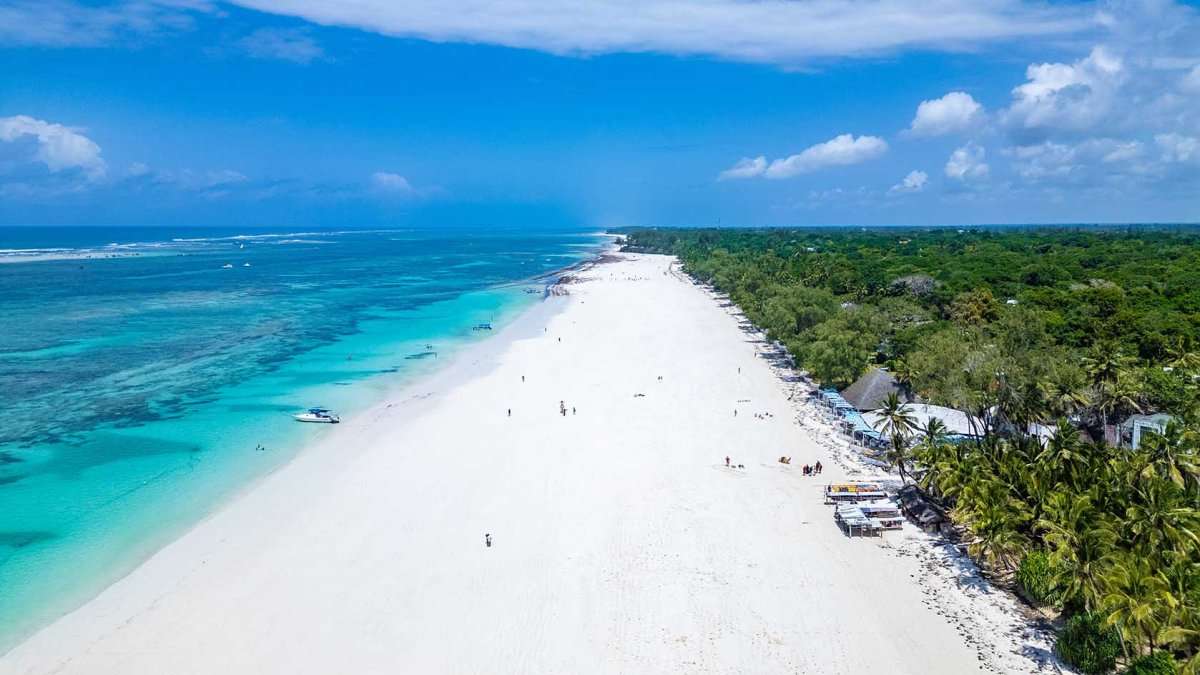
Before travelling, write down three priorities so the route and services can be planned around your group. Keep all names, dates and inclusions together in the paperwork you share with the other travellers or event organizer.
Worth knowing: a sample plan is not a confirmed booking. Review two documents before you pay: the written itinerary and the itemized quotation. If they disagree, request a corrected version.
3
Priorities to specify before planning
2
Documents to compare before booking
Plan Mount Kenya National Park Fees and Trekking Budget Checklist with Brim Adventures
Brim Adventures helps travellers and groups plan around their dates, priorities and the practical details of each journey. Compare options here, then request a written itinerary with confirmed arrangements.
Explore more planning guides or request a personal quotation before deciding.
Published · Travel guide
Official sources and verification
- KWS Mount Kenya tariff, vehicle charges and eligibility definitions
- KWS park magazine: established Mount Kenya routes; confirm current access before travel
Sources checked 27 October 2026. Source publication dates and tariff effective dates are identified in the text. Recheck changing information before payment or travel.
Frequently asked questions
Does the park fee pay for a guide and porters?
No. Conservation access, staff services, equipment, meals and overnight arrangements need separate confirmation in the trekking quotation.
Can I calculate a whole trek from the daily entry figure?
Only after confirming the applicable charging periods and any official provisions for the exact entry and exit plan. Do not infer a multi-day package from a single daily amount.
Does a student card guarantee a concession?
No. KWS describes a documented institutional educational arrangement and an upper age limit. Personal holiday eligibility must be clarified before payment.
Is evacuation included with admission?
Do not assume that. Check the organizer’s emergency arrangements and your insurer’s activity, altitude and evacuation conditions separately.
Plan your Kenya journey
Share your dates, traveler numbers, interests and preferred pace. Request a written itinerary and quote with confirmed availability and inclusions.
Request a Quote WhatsApp Brim