Why Corporate Staff Wellness and Recreation Activities in Kenya Matters
Not all Corporate Staff Wellness and Recreation Activities in Kenya choices work the same way. One example may have a long transfer or different inclusions; another may have the right activities but an uncomfortable schedule for your group.
You do not need specialist knowledge to compare the options. Start with the destinations, dates, logistics and inclusions explained below, then confirm any changing prices or restrictions before booking.
Corporate Staff Wellness and Recreation Activities in Kenya Planning Spectrum: From Ideas to Confirmation
Use this planning scale to move from your first ideas to details you can verify. It is not a rating of suppliers.
1. Start with the basics
2. Compare suitable options
3. Check practical details
4. Prepare to enquire
This is a starting point. Your dates and priorities determine the right next step.
Quick Picks: What Are You Planning?
Choose the question closest to yours and jump directly to the relevant sections.
| Your situation | Quick picks |
|---|---|
| We are identifying our event goals | Separate recreation from clinical support · Choose an accessible setting and pace |
| We need suitable options | Consider a varied menu of group activities · Plan hiking and outdoor recreation carefully |
| We are checking logistics and costs | Organise food, transport and a realistic budget · Select qualified support and clear responsibilities |
| We are ready to request a proposal | Review participation and workplace follow-through · Frequently asked questions |
Common Corporate Staff Wellness and Recreation Activities in Kenya Choices and What They Are Best For
The following topics preserve the existing article guidance, organized so you can compare the details more easily.

1. Separate recreation from clinical support
Start with the basics
Define whether the event is primarily social recreation, an introduction to wellbeing resources or a professionally delivered health-related session. These are different services. A travel or event coordinator should not be assumed qualified to provide counselling, clinical advice or individual health assessment. If specialist support is required, the organisation should verify appropriate professional qualifications and arrangements.
Ask employees what would make participation worthwhile, using a method that does not pressure them to disclose personal circumstances. Explain that private health questions belong with appropriate professionals, not in a public activity briefing. Avoid unsupported claims that a nature walk, sports day or retreat will treat a condition or permanently reduce stress. A well-organised event can be enjoyable while remaining honest about its limits.
Best for: Your priorities Practical comparisons Written confirmation
2. Choose an accessible setting and pace
Start with the basics
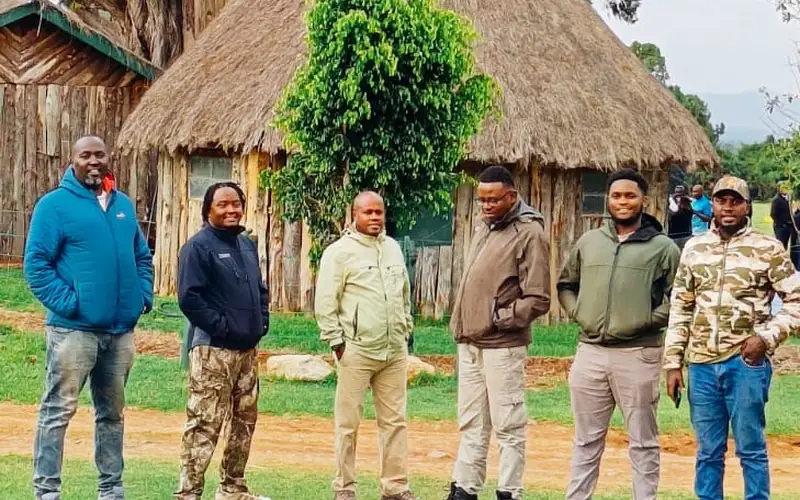
Begin with practical access: departure points, journey length, terrain, washrooms, shade, seating and an alternative if weather changes. A nearby Nairobi venue may suit a shorter programme, while Naivasha or Nanyuki can be considered for a residential or outdoor format. Assess the actual site rather than assuming a destination is suitable for everyone.
A coastal programme around Mombasa or Diani introduces additional travel, accommodation and activity decisions. Some employees may prefer a quiet indoor option or a gentle social activity instead of a longer journey. Provide enough information for people to make an informed participation choice. Do not define inclusion only as access to the transport; the programme itself should offer meaningful ways to join without a particular fitness level or public personal disclosure.
Best for: Your priorities Practical comparisons Written confirmation
3. Consider a varied menu of group activities
Compare suitable options
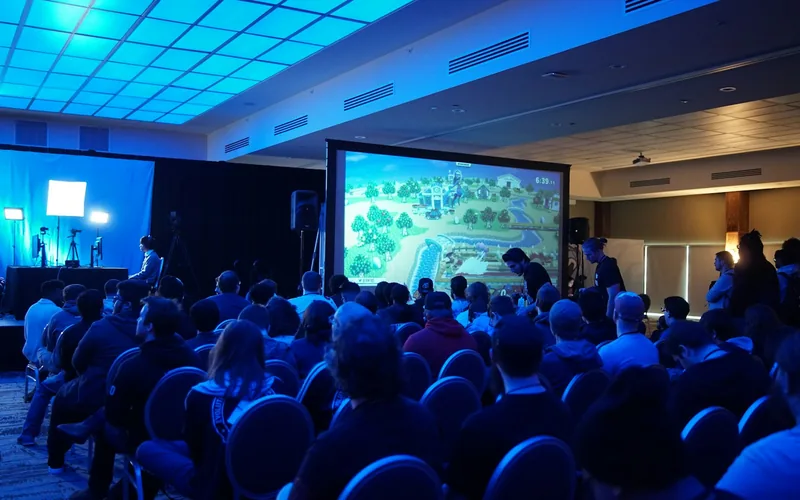
Choose options with different levels of physical effort and social interaction. Possible starting points include:
- A guided nature walk on a suitable, approved route, with a shorter alternative.
- A cooperative sports afternoon with non-playing roles and low-impact choices.
- A relaxed creative workshop led by an appropriate activity provider.
- A picnic-style social gathering with accessible seating and shade.
- A facilitated discussion about available workplace support resources.
- A quiet retreat session with optional gentle movement and free time.
- A group recreation day combining several short, clearly explained activities.
These are programme ideas, not confirmed Brim packages. Avoid surprise challenges and competitive formats that make employees feel judged. Explain any participation requirements beforehand and confirm specialist supervision where the chosen activity requires it.
Best for: Group goals Venues and services Coordination
4. Plan hiking and outdoor recreation carefully
Compare suitable options
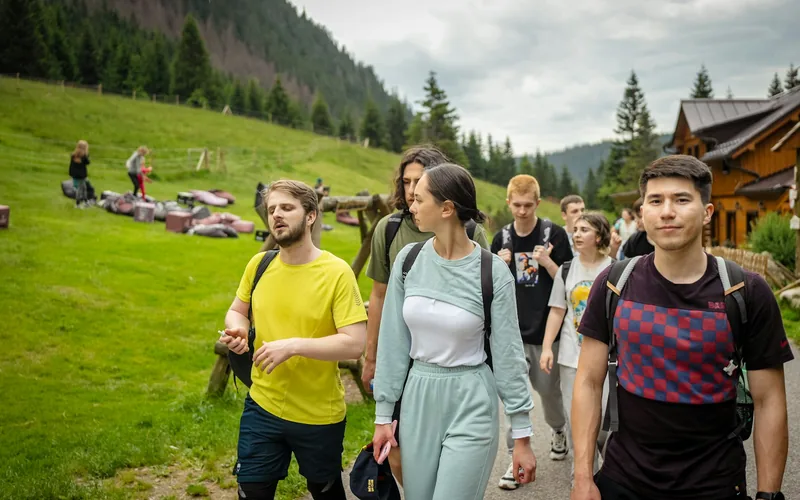
A hiking proposal needs more detail than a destination name or a distance estimate. Ask about the actual route, surfaces, elevation changes, access permissions, weather considerations, rest opportunities and the experience expected of participants. Request information from a competent guide or operator rather than assuming every employee can manage the same route.
Keep the group’s preferences and available time central to the decision. Confirm communications, transport recovery points and suitable assistance arrangements. Participants with individual medical concerns should obtain appropriate advice before joining. Do not encourage employees to push through symptoms or disclose diagnoses to colleagues. For a mixed-ability group, a gentle nature-based outing with genuine alternatives may fit the objective better than a demanding summit or endurance challenge.
Best for: Your priorities Practical comparisons Written confirmation

5. Organise food, transport and a realistic budget
Check practical details
Budget for the complete day or stay: transport, venue access, activity providers, refreshments, meals, accommodation where needed and coordination. Ask what equipment or materials are included and whether the proposal accounts for the actual group size. Confirm applicable taxes, cancellation conditions and what happens if weather changes the programme.
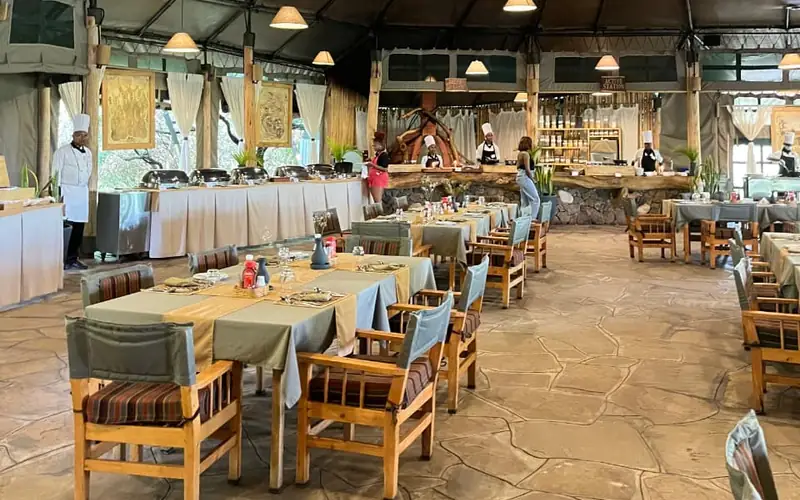
Provide clear departure instructions and build in enough time for breaks. Discuss dietary requirements discreetly with the relevant provider and ensure employees know what is included. Avoid creating personal costs that make participation difficult. If the event is part of a wider corporate retreat, keep the recreational sessions proportionate to the overall working schedule rather than adding them to an already crowded day.
Best for: Budget planning Official terms Clear inclusions
6. Select qualified support and clear responsibilities
Check practical details
Different providers perform different roles. Outdoor guides assess and lead their approved activities. Recreation hosts manage games or workshops. Qualified wellbeing professionals may deliver specialist sessions within their competence. Venues and travel coordinators support the setting, accommodation and movement of the group. Ask who is responsible for each part and what information they require.
Brim Adventures can be approached through the Corporate Events form to discuss staff recreation and group-travel planning. This is Brim’s own service information, not an independent ranking of wellness providers. Confirm whether any requested specialist service needs a separately verified professional or operator. For an event specifically intended to practise collaboration skills, consider the distinct objectives described in the team-building guide.
Best for: Your priorities Practical comparisons Written confirmation
7. Review participation and workplace follow-through
Prepare to enquire
Before the event, confirm the access arrangements, participant information, alternative activities, meals, transport and operational contacts. Brief managers to support reasonable choices rather than reward the most visible or physically active participants. Make it easy to raise concerns privately and explain how schedule changes will be communicated.
Afterwards, ask whether the experience was accessible, comfortable and worthwhile. Use feedback to improve practical arrangements. A recreation event should not replace attention to workload, management practices or appropriate employee support. Avoid publishing impact statistics that were never measured, and obtain appropriate permission before using identifiable employee photographs in external marketing. Responsible follow-through can be more valuable than a grand claim about what one event achieved.
Best for: Your priorities Practical comparisons Written confirmation

8. Frequently asked questions
Prepare to enquire
Must a staff wellness event include exercise?
No. Social, creative and quiet recreational options may suit some employees better. Choose activities around the group and provide alternatives rather than making strenuous participation the measure of success.
Can Brim provide medical or counselling services?
Do not assume so. Any specialist health-related service must be separately confirmed with appropriately qualified professionals. Brim’s corporate enquiry is a starting point for discussing logistics and programme requirements.
What details should we include in a recreation brief?
Share approximate numbers, dates, departure points, preferred activity level and practical access needs. Explain whether the event is recreational or requires a specialist professional session, without circulating private medical information.
Best for: Your priorities Practical comparisons Written confirmation
Four Booking Tips for Corporate Staff Wellness and Recreation Activities in Kenya
When planning Corporate Staff Wellness and Recreation Activities in Kenya, check four practical things:
- Match the dates. Ask what is suitable for your real travel window.
- Read the daily schedule. Look at transfers, rest and activity time.
- Check every inclusion. Confirm accommodation, fees, transport and optional services in writing.
- Review current conditions. Ordinary changes in weather or wildlife movements are possible; confirm official guidance and supplier terms.
Preparing for Corporate Staff Wellness and Recreation Activities in Kenya and What to Check

Before travelling, write down three priorities so the route and services can be planned around your group. Keep all names, dates and inclusions together in the paperwork you share with the other travellers or event organizer.
Worth knowing: a sample plan is not a confirmed booking. Review two documents before you pay: the written itinerary and the itemized quotation. If they disagree, request a corrected version.
3
Priorities to specify before planning
2
Documents to compare before booking
Plan Corporate Staff Wellness and Recreation Activities in Kenya with Brim Adventures
Brim Adventures helps travellers and groups plan around their dates, priorities and the practical details of each journey. Compare options here, then request a written itinerary with confirmed arrangements.
Explore more planning guides or request a personal quotation before deciding.
Published · Corporate planning