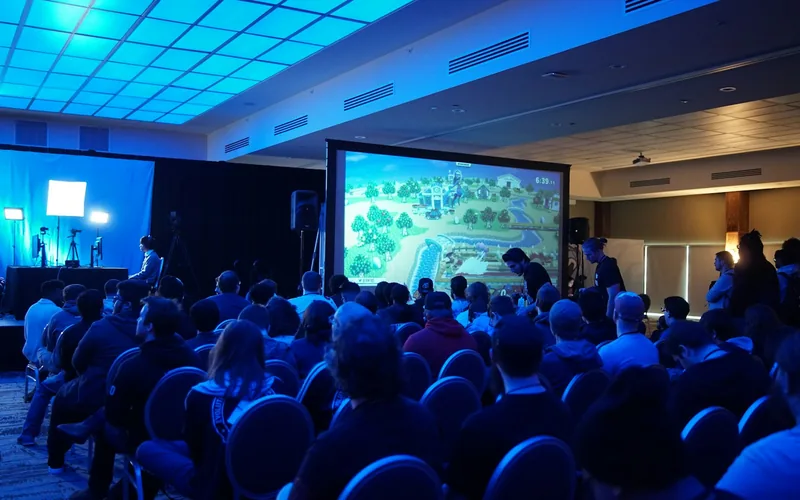
Why Planning Corporate Conferences and Seminars in Kenya Matters
Not all Planning Corporate Conferences and Seminars in Kenya choices work the same way. One example may have a long transfer or different inclusions; another may have the right activities but an uncomfortable schedule for your group.
You do not need specialist knowledge to compare the options. Start with the destinations, dates, logistics and inclusions explained below, then confirm any changing prices or restrictions before booking.
Planning Corporate Conferences and Seminars in Kenya Planning Spectrum: From Ideas to Confirmation
Use this planning scale to move from your first ideas to details you can verify. It is not a rating of suppliers.
1. Start with the basics
2. Compare suitable options
3. Check practical details
4. Prepare to enquire
This is a starting point. Your dates and priorities determine the right next step.
Quick Picks: What Are You Planning?
Choose the question closest to yours and jump directly to the relevant sections.
| Your situation | Quick picks |
|---|---|
| We are identifying our event goals | Define the audience and programme format · Select a venue using an operational checklist |
| We need suitable options | Brief speakers, MCs and the technical team · Make registration and guest information simple |
| We are checking logistics and costs | Connect catering, rooms and transport · Compare complete supplier scopes and budgets |
| We are ready to request a proposal | Run a disciplined final readiness review · Frequently asked questions |
Common Planning Corporate Conferences and Seminars in Kenya Choices and What They Are Best For
The following topics preserve the existing article guidance, organized so you can compare the details more easily.

1. Define the audience and programme format
Start with the basics
Start by identifying who should attend and what they should gain. A technical seminar for specialists needs different content from a company-wide conference or a stakeholder forum. Establish whether the priority is learning, consultation, networking, an organisational announcement or a combination of clearly defined goals. Set an expected delegate count and distinguish speakers, exhibitors and suppliers from ordinary attendees.
Choose a format that supports interaction. Presentations, panels, demonstrations and small-group workshops require different room layouts and technical support. Build in enough time for questions and transitions. Give the programme a clear chair or content lead, and agree who can approve speaker changes. Avoid filling every available minute; delegates need practical breaks as well as space to exchange ideas.
Best for: Your priorities Practical comparisons Written confirmation

2. Select a venue using an operational checklist
Start with the basics
For conference and seminar organisers in Nairobi, location should be assessed against arrival patterns, parking, public access and transfers. A residential event outside the city may suit a focused programme, but transport and accommodation become part of the core plan. Compare the actual facilities at each proposed venue rather than relying on its general reputation or a photograph of a different room.
Ask for seating capacities in your required layout, accessible routes, washrooms, breakout rooms and catering space. Check sightlines to the stage and screens. Confirm whether other functions will operate nearby and how noise will be controlled. For destination options such as Naivasha or Nanyuki, request a realistic travel plan and explain whether delegates arrive together or individually.
Best for: Your priorities Practical comparisons Written confirmation

3. Brief speakers, MCs and the technical team
Compare suitable options
Send every speaker the audience description, session objective, time limit and presentation deadline. Agree the format of questions, how introductions will be handled and what happens if a speaker is delayed. An MC or moderator should receive the complete running order, approved names and escalation contacts, not just a list of session titles.
Ask the AV team to specify microphones, projection, screens, sound coverage, presentation computers, adapters and technical staffing. Confirm whether internet, recording, interpretation or remote participation is genuinely required. These are separate technical needs, not interchangeable extras. Arrange a rehearsal using the actual files and equipment. Keep approved presentations available offline and identify a backup approach for essential content if a connection or device fails.
Best for: Group goals Venues and services Coordination

4. Make registration and guest information simple
Compare suitable options
Collect only the information needed to deliver the event. Tell delegates how their registration details will be used and follow your organisation’s applicable privacy procedures. Avoid sharing complete contact lists in an open group. Provide a confirmation containing the venue, arrival window, programme outline, access instructions and a contact for individual requirements.
Plan check-in capacity around the expected arrival pattern. A large group arriving on one coach needs a different registration arrangement from delegates arriving throughout an hour. Prepare clear signage and a process for name changes, walk-ins and missing confirmations. If badges or printed materials are used, allocate a person to maintain the latest approved list. Give dietary and accessibility information to the relevant operational team through an appropriate restricted channel.
Best for: Your priorities Practical comparisons Written confirmation

5. Connect catering, rooms and transport
Check practical details
Place breaks where the programme naturally needs them, then confirm that catering can serve the group within that window. Discuss dietary alternatives, water availability and the placement of refreshments so queues do not block the meeting room. Count speakers, technicians and other working personnel when arranging meals.
For residential delegates, confirm room categories, occupancy assumptions, check-in arrangements and who pays personal extras. Provide a transfer schedule that includes arrival uncertainty and time to reach the meeting space. Do not schedule a critical opening session immediately after a long group transfer without a practical buffer. If the conference also includes a corporate retreat, distinguish the formal delegate programme from private internal working sessions.
Best for: Your priorities Practical comparisons Written confirmation

6. Compare complete supplier scopes and budgets
Check practical details
Request itemised quotations for venue use, catering, accommodation, production, speaker arrangements, registration support, transport and coordination. Ask which taxes, setup periods, overtime and cancellation conditions apply. Check whether equipment is priced per room, per day or for the whole event. Record the attendance and schedule assumptions behind each proposal.
When selecting providers, use this checklist:
- Is responsibility for venue, content, registration and production clearly assigned?
- Can the proposed technical setup support the actual programme?
- Are staffing numbers and on-site support hours specified?
- Is there an agreed change-control and spending approval process?
- Are references or delivery examples independently checkable where supplied?
- Are contingencies and cancellation terms understandable?
Brim Adventures is a self-promotional enquiry option for discussing event and group-travel coordination through the Corporate Events page. Confirm any specialist MC, catering, interpretation or AV arrangements separately; do not assume these are owned services or existing partnerships.
Best for: Budget planning Official terms Clear inclusions

7. Run a disciplined final readiness review
Prepare to enquire
Before opening registration, check the room setup, signage, microphones, slides, catering timings and delegate support point. Give the chair, MC, venue contact and technical lead the same version of the programme. Agree who will decide whether to shorten a break, change rooms or adjust a delayed session.
After the event, reconcile attendance and authorised extras, distribute approved materials and collect focused feedback. Record which sessions were useful and which operational changes would help next time. Use the same discipline for a product launch, while recognising that a launch may require a more tightly rehearsed demonstration and media plan.
Best for: Your priorities Practical comparisons Written confirmation

8. Frequently asked questions
Prepare to enquire
Do we need an MC for a small seminar?
Not necessarily. A capable chair may manage introductions and timekeeping. Use a dedicated MC when the programme, audience or production complexity justifies that role, and agree responsibilities clearly.
Can a hotel’s standard conference package cover everything?
It may cover some essentials, but verify the exact room, equipment, meals, staffing and hours included. External production, registration, transfers or specialist services may require separate quotations.
What should our initial conference brief contain?
Include audience, objectives, estimated numbers, dates, destination preferences, session format, accommodation needs and required technology. Identify your approval process and the deadline for receiving comparable proposals.
Best for: Your priorities Practical comparisons Written confirmation
Four Booking Tips for Planning Corporate Conferences and Seminars in Kenya
When planning Planning Corporate Conferences and Seminars in Kenya, check four practical things:
- Match the dates. Ask what is suitable for your real travel window.
- Read the daily schedule. Look at transfers, rest and activity time.
- Check every inclusion. Confirm accommodation, fees, transport and optional services in writing.
- Review current conditions. Ordinary changes in weather or wildlife movements are possible; confirm official guidance and supplier terms.
Preparing for Planning Corporate Conferences and Seminars in Kenya and What to Check
Before travelling, write down three priorities so the route and services can be planned around your group. Keep all names, dates and inclusions together in the paperwork you share with the other travellers or event organizer.
Worth knowing: a sample plan is not a confirmed booking. Review two documents before you pay: the written itinerary and the itemized quotation. If they disagree, request a corrected version.
3
Priorities to specify before planning
2
Documents to compare before booking
Plan Planning Corporate Conferences and Seminars in Kenya with Brim Adventures
Brim Adventures helps travellers and groups plan around their dates, priorities and the practical details of each journey. Compare options here, then request a written itinerary with confirmed arrangements.
Explore more planning guides or request a personal quotation before deciding.
Published · Corporate planning