Why Planning Product Launches and Corporate Celebrations in Kenya Matters
Not all Planning Product Launches and Corporate Celebrations in Kenya choices work the same way. One example may have a long transfer or different inclusions; another may have the right activities but an uncomfortable schedule for your group.
You do not need specialist knowledge to compare the options. Start with the destinations, dates, logistics and inclusions explained below, then confirm any changing prices or restrictions before booking.
Planning Product Launches and Corporate Celebrations in Kenya Planning Spectrum: From Ideas to Confirmation
Use this planning scale to move from your first ideas to details you can verify. It is not a rating of suppliers.
1. Start with the basics
2. Compare suitable options
3. Check practical details
4. Prepare to enquire
This is a starting point. Your dates and priorities determine the right next step.
Quick Picks: What Are You Planning?
Choose the question closest to yours and jump directly to the relevant sections.
| Your situation | Quick picks |
|---|---|
| We are identifying our event goals | Write the message before designing the event · Assess venues for the actual production plan |
| We need suitable options | Rehearse the demonstration and audiovisual system · Manage invitations, guests and the programme |
| We are checking logistics and costs | Coordinate branding, catering and photography · Compare service providers with a written checklist |
| We are ready to request a proposal | Prepare the final operations and follow-up plan · Frequently asked questions |
Common Planning Product Launches and Corporate Celebrations in Kenya Choices and What They Are Best For
The following topics preserve the existing article guidance, organized so you can compare the details more easily.

1. Write the message before designing the event
Start with the basics
Decide what guests should understand, experience or do after attending. A launch for distributors may need a demonstration and technical questions, while a customer-facing celebration may focus on appreciation and conversation. Choose one central message and agree the claims that can be made publicly. Have product, marketing and relevant internal reviewers approve important statements before they reach invitations, scripts or signage.
Identify the audience and its priorities. Media, employees, partners and customers may require different information and access. Decide who can speak for the organisation and who handles questions that cannot be answered immediately. A clear message brief helps the MC, designers, photographer and technical team work towards the same outcome instead of producing disconnected pieces of an attractive event.
Best for: Group goals Venues and services Coordination

2. Assess venues for the actual production plan
Start with the basics
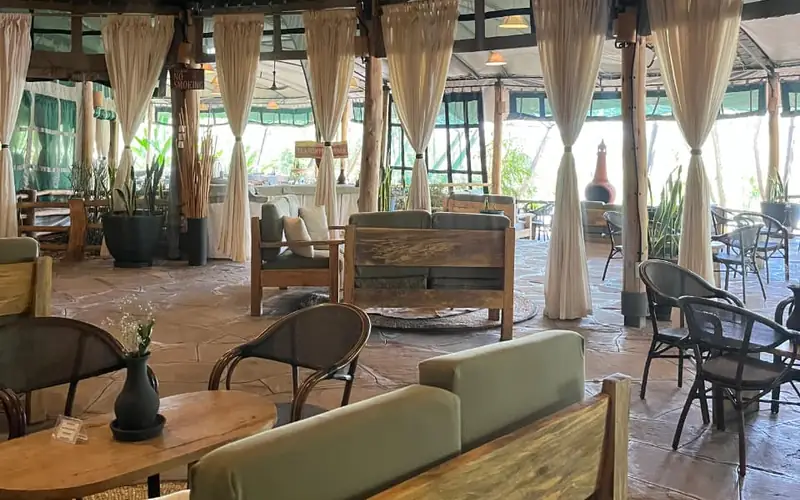
Nairobi can be considered where many guests and suppliers are city-based, but evaluate access, loading arrangements, parking and realistic arrival patterns. A destination celebration in Naivasha, Nanyuki or on the coast needs a broader group-travel plan. Confirm the specific venue’s availability and facilities before using its name in promotional material.
Ask whether the proposed space can accommodate registration, the demonstration, seating, catering and any private preparation area. Check accessible entrances, washrooms, emergency arrangements and an appropriate weather alternative for outdoor elements. Confirm branding permissions, sound restrictions, power availability, equipment access and dismantling times. A standard capacity figure may not apply once a stage, product display or technical control area occupies part of the room.
Best for: Your priorities Practical comparisons Written confirmation
3. Rehearse the demonstration and audiovisual system
Compare suitable options
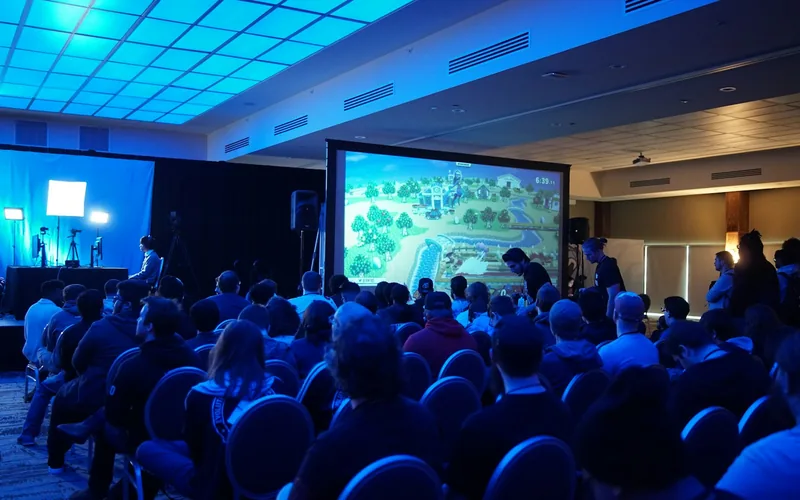
List the equipment the product demonstration actually needs. This may include screens, microphones, lighting, reliable power, connectivity or a backup presentation. Give the technical supplier the demonstration format and venue information early enough to identify practical constraints. Confirm who supplies adapters, playback devices and an on-site technician.
Run a rehearsal with the actual product, presenters and approved media. Agree what the MC will say if the demonstration is delayed or cannot continue. Keep an accurate alternative, such as approved visuals or a recorded explanation, where appropriate. Do not improvise misleading claims to cover a technical failure. For a celebration with performances, add sound checks and stage transitions to the running order rather than treating entertainment as an isolated booking.
Best for: Your priorities Practical comparisons Written confirmation
4. Manage invitations, guests and the programme
Compare suitable options
Create an invitation list with a clear purpose for each audience group. Collect only the information needed for attendance and explain relevant registration arrangements. Provide the correct arrival window, location, access instructions and a contact for individual requirements. Keep sensitive guest details within the organisation’s approved systems.
Assign responsibility for check-in, hosts, VIP arrangements and late arrivals. Build the running order around a few important moments: welcome, message, demonstration or recognition, questions and hospitality. Allow transitions and avoid making guests wait without information. Brief corporate event MCs in Kenya on the audience, names, pronunciation, key messages and timing. Their role should be specified separately from entertainment, production or the overall event-management service.
Best for: Your priorities Practical comparisons Written confirmation

5. Coordinate branding, catering and photography
Check practical details
Use a consistent visual approach across invitations, signage and the stage, but check that every item serves a purpose. Branding should help guests navigate and understand the event, not obstruct screens or create unnecessary production costs. Confirm artwork approval dates and ask who is responsible for installation and removal.
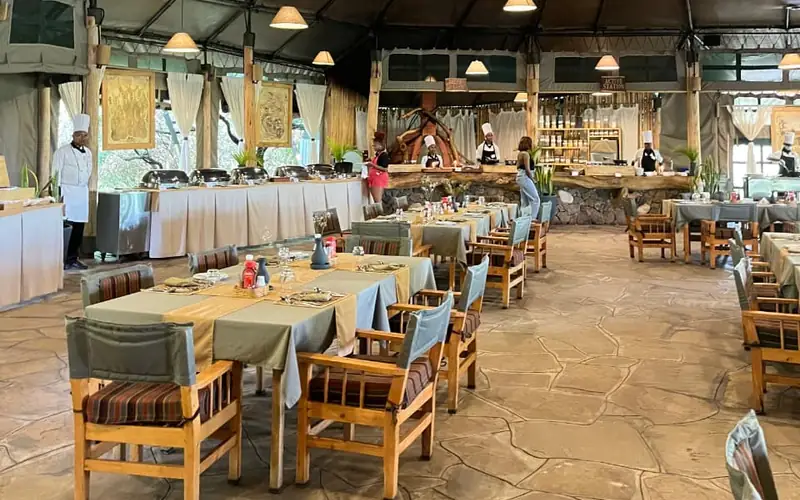
Catering should suit the event format and service window. A networking reception and a seated celebration need different staffing, quantities and circulation space. Explain dietary requirements and include working suppliers in meal arrangements where agreed. Brief the photographer on priority moments, approved uses and guests who do not want their images shared. Stock images can inspire the plan, but should never be presented as proof that a supplier organised a particular launch or worked with a pictured brand.
Best for: Your priorities Practical comparisons Written confirmation

6. Compare service providers with a written checklist
Check practical details
When researching product launch event planners in Kenya, separate the roles you need before requesting proposals. Useful categories include event production teams, brand or design suppliers, technical AV specialists, MCs, caterers, photographers and group-travel coordinators. No single category automatically covers all the others.
Use this comparison checklist:
- A clear scope and named person accountable for each workstream.
- Technical requirements matched to the actual venue and demonstration.
- Rehearsal, setup, event and dismantling hours included in writing.
- Itemised costs, applicable taxes and understandable cancellation terms.
- A process for approving creative work and additional expenditure.
- Independently checkable delivery examples or references where supplied.
Brim Adventures is a self-promotional option for discussing event and group-travel coordination through the corporate enquiry page. Confirm specialist production and creative services separately; this is not an independent ranking or a claim of existing supplier partnerships.
Best for: Your priorities Practical comparisons Written confirmation
7. Prepare the final operations and follow-up plan
Prepare to enquire
Before the event, reconcile the guest list, programme, approved scripts, technical cues, supplier arrivals and contact sheet. Give the host, MC, venue lead and technician the same current schedule. Identify who can authorise changes and who will communicate with guests if plans move.
Afterwards, distribute approved follow-up material, respond to outstanding questions and review authorised expenses. Assess the event against its original objective rather than relying only on attendance or photographs. For a larger knowledge-sharing programme, use the conference planning guide. For a staff-focused annual celebration, adapt the more detailed end-of-year party checklist.
Best for: Your priorities Practical comparisons Written confirmation

8. Frequently asked questions
Prepare to enquire
How early should a launch be planned?
The required lead time depends on venue availability, production complexity, guest travel and approval processes. Agree a workable schedule with the proposed suppliers rather than relying on a universal deadline.
Does an MC manage the whole event?
Not unless that wider responsibility is explicitly agreed. The MC normally manages the public programme, while production, guest operations and supplier coordination need clearly assigned owners.
Can a launch include an overnight group experience?
Yes, where it fits the objective and budget. Confirm accommodation, transfers and the boundary between the formal launch and optional travel activities before inviting guests or committing suppliers.
Best for: Your priorities Practical comparisons Written confirmation
Four Booking Tips for Planning Product Launches and Corporate Celebrations in Kenya
When planning Planning Product Launches and Corporate Celebrations in Kenya, check four practical things:
- Match the dates. Ask what is suitable for your real travel window.
- Read the daily schedule. Look at transfers, rest and activity time.
- Check every inclusion. Confirm accommodation, fees, transport and optional services in writing.
- Review current conditions. Ordinary changes in weather or wildlife movements are possible; confirm official guidance and supplier terms.
Preparing for Planning Product Launches and Corporate Celebrations in Kenya and What to Check

Before travelling, write down three priorities so the route and services can be planned around your group. Keep all names, dates and inclusions together in the paperwork you share with the other travellers or event organizer.
Worth knowing: a sample plan is not a confirmed booking. Review two documents before you pay: the written itinerary and the itemized quotation. If they disagree, request a corrected version.
3
Priorities to specify before planning
2
Documents to compare before booking
Plan Planning Product Launches and Corporate Celebrations in Kenya with Brim Adventures
Brim Adventures helps travellers and groups plan around their dates, priorities and the practical details of each journey. Compare options here, then request a written itinerary with confirmed arrangements.
Explore more planning guides or request a personal quotation before deciding.
Published · Corporate planning