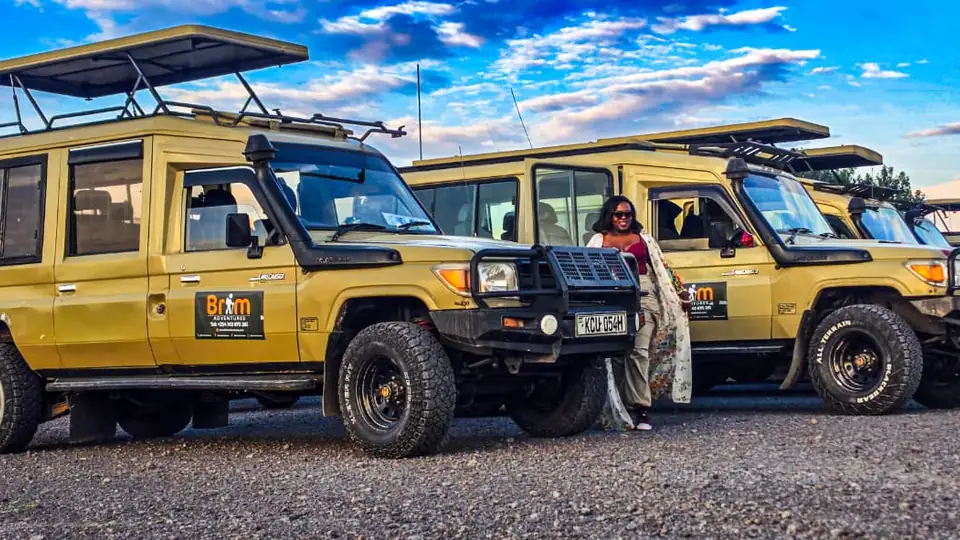
Why Plan a Kenya Safari Matters
Not all Plan a Kenya Safari choices work the same way. One example may have a long transfer or different inclusions; another may have the right activities but an uncomfortable schedule for your group.
You do not need specialist knowledge to compare the options. Start with the destinations, dates, logistics and inclusions explained below, then confirm any changing prices or restrictions before booking.
Plan a Kenya Safari Planning Spectrum: From Ideas to Confirmation
Use this planning scale to move from your first ideas to details you can verify. It is not a rating of suppliers.
2. Compare suitable options
3. Check practical details
4. Prepare to enquire
This is a starting point. Your dates and priorities determine the right next step.
Quick Picks: What Are You Planning?
Choose the question closest to yours and jump directly to the relevant sections.
| Your situation | Quick picks |
|---|---|
| I am starting to plan | Start with your travel brief · Choose destinations that work together |
| I want to compare my choices | Select accommodation for the experience · Read the quotation line by line |
| I need practical details | Prepare before departure · How to choose an operator and confirm the booking |
| I am ready to request a quote | A Kenya safari packing list built around the route · Choose a plan for limited time |
Common Plan a Kenya Safari Choices and What They Are Best For
The following topics preserve the existing article guidance, organized so you can compare the details more easily.
1. Start with your travel brief
Start with the basics
Write down your dates or date range, number of travelers, children’s ages where relevant, arrival airport and any fixed onward travel. Explain your main interests in plain language: patient wildlife photography, a first safari, a family holiday or time at the coast. These details are more useful than a long wish list with no priorities.
Pick two or three priorities
Choose the experiences you would most regret missing. If the Mara is your main aim, give it enough nights before adding distant parks. If relaxation matters as much as wildlife, preserve a meaningful beach stay rather than reducing it to one tired afternoon.
Best for: Your priorities Practical comparisons Written confirmation

2. Choose destinations that work together
Start with the basics
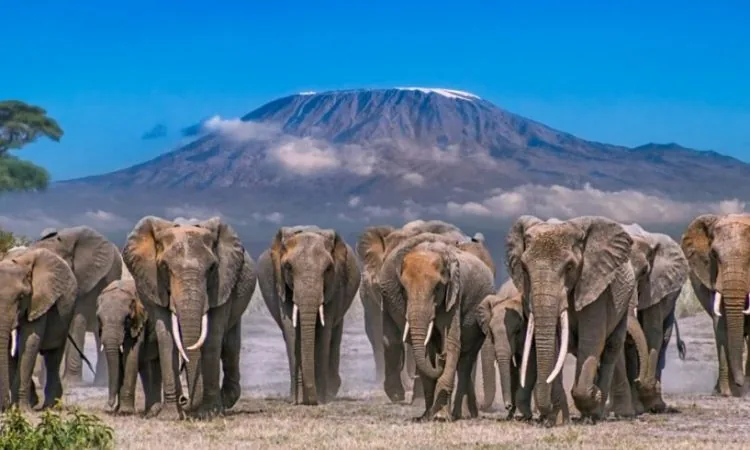
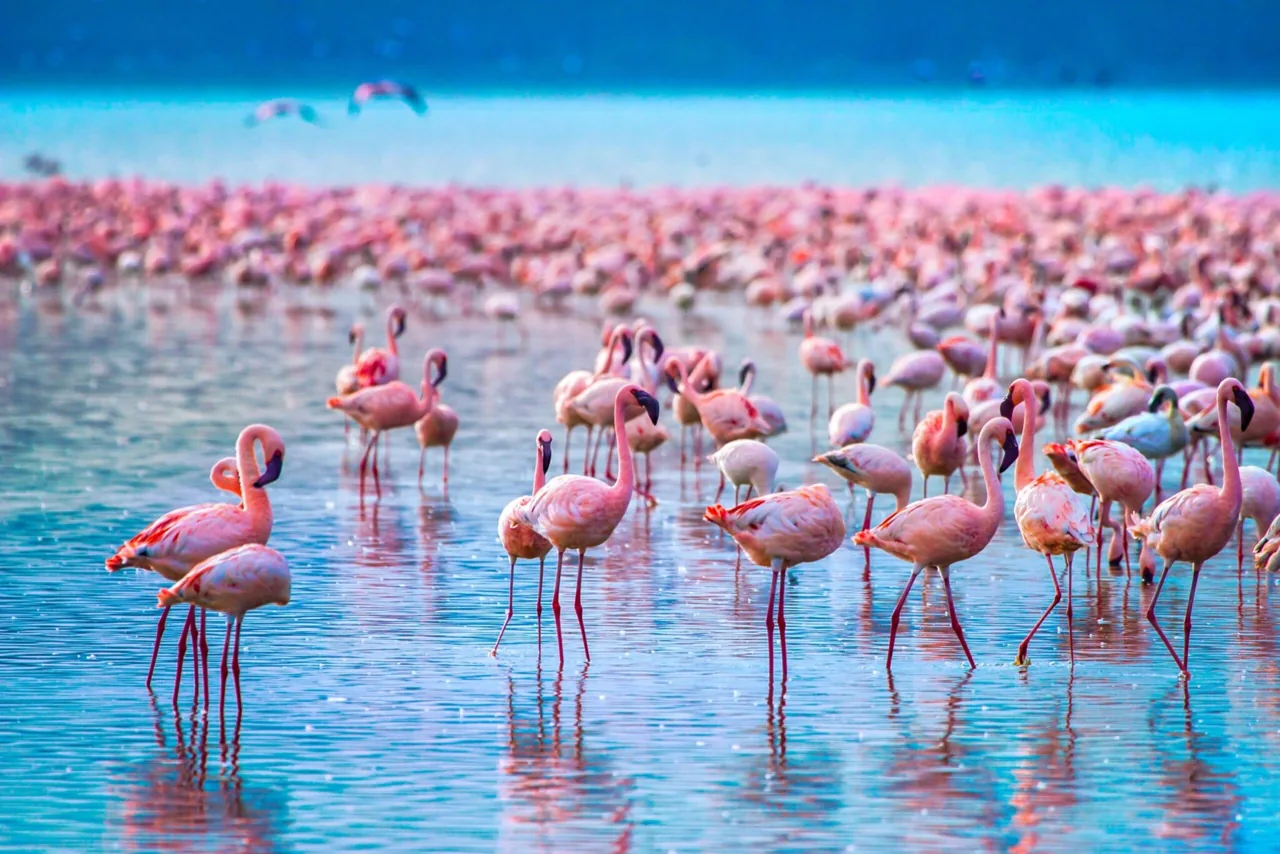
Read about Masai Mara, Amboseli and Lake Nakuru before deciding which landscapes appeal most. A different park every day is not automatically a better safari. Each move takes time for packing, checkout, transfer and settling in.
Build around nights, not a map checklist
Ask for a proposal that lists overnight stays and transfer days. Compare the useful game-viewing time rather than only the number of destinations. The seven- and ten-day planning guide shows how to think about the balance.
Best for: Your priorities Practical comparisons Written confirmation
3. Compare road and air arrangements
Start with the basics
A road safari keeps the route connected and can include intermediate stops. A flight-based plan may reduce a long road leg, but adds baggage rules, airport or airstrip transfers and schedule constraints. Compare the full door-to-door arrangement, not just flight duration or a map estimate.
Allow for arrival and departure
Share your actual flight information before the final plan is issued. Avoid committing to an immediate long transfer after a late arrival, or a narrow connection after a safari. Ask who meets you, where the meeting point is and what happens if a flight is delayed.
Best for: Your priorities Practical comparisons Written confirmation
4. Select accommodation for the experience
Compare suitable options
Camp location can matter as much as the room description. Ask whether the property is inside a park, in a conservancy or outside the wildlife area. That can change access arrangements and the start of a game drive. Confirm the exact property name, room category and meal plan rather than relying only on a category such as luxury.
Share practical needs early
Describe mobility needs, dietary requirements, sleeping arrangements and any strong preferences. Ask about the actual room access and facilities rather than assuming that all camps offer the same setup.
Best for: Your priorities Practical comparisons Written confirmation
5. Read the quotation line by line
Compare suitable options
Compare vehicle use, guide services, accommodation nights, meals, park entries, transfers and any flights. Ask which activities are optional, who pays for them and whether they must be reserved ahead. The safari cost guide explains how to compare proposals without relying on an unverified headline price.
Keep the agreement in writing
Before paying, obtain the itinerary, total price, payment terms, cancellation terms and any supplier conditions. An inquiry or sample itinerary is a starting point; availability is confirmed through the booking process.
Best for: Your priorities Practical comparisons Written confirmation
6. Prepare before departure
Check practical details
Use the official Kenya eTA portal to check the requirements and exemptions that apply to you. Requirements can change; verify them for your nationality and journey rather than relying on a general blog summary. Seek individual health guidance from a qualified clinician and check your own travel insurance cover.
For wildlife visits, consult the relevant park authority’s current visitor guidance, follow your guide’s instructions and keep wildlife encounters responsible. Bring your questions to Brim before departure so the itinerary and packing advice match the route you have actually booked.
Best for: Your priorities Practical comparisons Written confirmation
7. How to choose an operator and confirm the booking
Check practical details
Ask who is contracting with you, how the company can be contacted and which services it will provide directly or through a named arrangement. Where licensing or registration is relevant, request the current details and verify them through the appropriate official authority. A polished social profile, review badge or large following does not independently establish those facts.
Compare a written itinerary and quotation, not only an advertisement. The document should name accommodation, room and meal basis, private or shared vehicle arrangements, dates, admissions, optional activities, pickup and final drop-off. Ask what happens if a named property is unavailable and whether substitutions need agreement. Do not interpret a generic hotel category as a confirmed booking.
Before a deposit
Read payment, cancellation and change terms and identify who receives the funds. Verify payment instructions through an established company channel, particularly if account details change unexpectedly. Keep the proposal and receipts. An operator should not need your personal account password or one-time payment codes to explain a booking.
Ask practical questions about the driver-guide arrangement, route, vehicle suitability and assistance if plans change. The useful test is whether the answers fit your itinerary and can be documented. Avoid unsupported promises about guaranteed sightings, medical protection or unrestricted flexibility. Brim’s inquiry page lets you begin with dates and priorities; availability and final terms must be confirmed in the specific proposal.
Best for: Your priorities Practical comparisons Written confirmation

8. A Kenya safari packing list built around the route
Prepare to enquire
Pack for the actual activities, accommodation and transport. A vehicle safari, a coast stay and a mountain trek need different equipment. Ask the provider what it supplies and what you must bring. Check the baggage allowance of any light-aircraft connection before selecting luggage; do not assume the international airline allowance applies to the smaller flight.
- Documents: passport, applicable entry permission, required vaccination certificate, insurance details, itinerary and offline booking references.
- Everyday clothing: comfortable layers, suitable footwear, sun protection and items appropriate for the properties and visits planned.
- Personal health supplies: your prescribed medicines and the prevention items discussed with a qualified professional, in appropriate packaging.
- Viewing and devices: camera or binoculars if desired, chargers, suitable power arrangements and storage for important documents.
- Activity-specific equipment: only after confirming the mountain, cycling, walking or beach program and who supplies each item.
Keep essential medicines and documents accessible in hand luggage subject to airline rules. Verify import requirements for personal medicines through official channels. A guide cannot waive a border restriction or replace an omitted prescription. For equipment needing charging or refrigeration, confirm the actual property facilities before travel.
For families, consider the child’s daily comfort, seating and practical needs rather than packing only for adults. For photographers, balance equipment with permitted luggage and secure storage. Avoid buying specialist gear from a generic checklist until the route and provider requirements are clear. Read the travel-health guide and the separate safety guide for preparation sources.
Best for: Your priorities Practical comparisons Written confirmation

9. Choose a plan for limited time
Prepare to enquire
Compare a two-day private weekend safari with a last-minute Mara request. They have different transfer commitments and wildlife time.
Best for: Travel timing Seasonal context Flexible plans
Four Booking Tips for Plan a Kenya Safari
When planning Plan a Kenya Safari, check four practical things:
- Match the dates. Ask what is suitable for your real travel window.
- Read the daily schedule. Look at transfers, rest and activity time.
- Check every inclusion. Confirm accommodation, fees, transport and optional services in writing.
- Review current conditions. Ordinary changes in weather or wildlife movements are possible; confirm official guidance and supplier terms.
Preparing for Plan a Kenya Safari and What to Check
Before travelling, write down three priorities so the route and services can be planned around your group. Keep all names, dates and inclusions together in the paperwork you share with the other travellers or event organizer.
Worth knowing: a sample plan is not a confirmed booking. Review two documents before you pay: the written itinerary and the itemized quotation. If they disagree, request a corrected version.
3
Priorities to specify before planning
2
Documents to compare before booking
Plan Plan a Kenya Safari with Brim Adventures
Brim Adventures helps travellers and groups plan around their dates, priorities and the practical details of each journey. Compare options here, then request a written itinerary with confirmed arrangements.
Explore more planning guides or request a personal quotation before deciding.
Frequently asked questions
How many parks should a first safari include?
Choose a manageable route with enough nights in the places you care about. Ask Brim to compare a slower plan with a more varied circuit.
Does an inquiry reserve accommodation?
No. Request written confirmation of availability and booking terms before treating any accommodation or departure as secured.
Should I book international flights first?
Coordinate the proposed safari with your flight options before committing to non-refundable arrangements.
Plan your Kenya journey
Share your dates, traveler numbers, interests and preferred pace. Request a written itinerary and quote with confirmed availability and inclusions.
Request a Quote WhatsApp Brim